


The building and construction sector is responsible for some of the largest material flows and environmental impacts in the world. Buildings are long-lived, resource-intensive and deeply embedded in regulatory frameworks—all of which makes the transition to circular construction both challenging and full of opportunity. As Europe moves toward mandatory material traceability, carbon reduction and waste prevention, construction companies are increasingly expected to demonstrate where materials come from, how they perform, and what happens to them at the end of use.
Cirmar helps organisations in construction, real estate, materials manufacturing and demolition turn circular principles into practical strategies that work across long value cycles and long asset lifetimes.
Across the EU, regulation is shifting firmly toward circularity. Construction products will fall under the Construction Products Regulation (CPR), which introduces Digital Product Passports for a wide range of materials and components. National and local frameworks—such as requirements for material passports in new buildings, selective demolition rules, embodied carbon reporting and minimum recycled content obligations—are also becoming part of standard practice.
At the same time, the industry faces scarcity for certain materials, is under pressure to minimise waste and improve the reuse of high-value materials, not just at demolition but during design, in construction and renovation cycles as well. In some countries, exceeding nitrogen tresholds have halted construction activities. Additionally, large clients, investors and municipalities increasingly demand transparency on circularity, emissions and material flows before approving new projects or awarding tenders.
For many organisations, the challenge is not a lack of ambition but the complexity of integrating these requirements into day-to-day processes. This is where Cirmar offers clarity and structure.
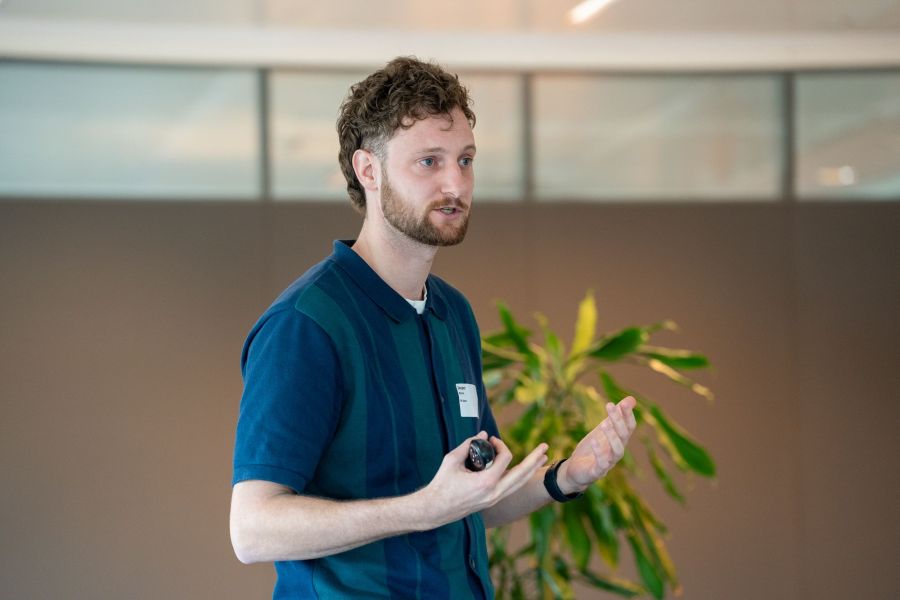
“The built environment is a perfect fit for our approach to circularity: with materials at its core, using insights into choices and looking beyond production of products.”
Jasper Martin
Circular construction starts with understanding what materials you are using, in what quantities, and with what impact. We help companies map the materials and components that make up their products or assets—facades, panels, flooring systems, insulation, structural elements—and translate that information into actionable insights.
Whether you’re designing new systems, renovating existing buildings or planning end-of-use strategies, our approach supports you in making decisions that retain materials, lower environmental impact and increase long-term asset value.
By working across product design, procurement, engineering and demolition planning, we help create a coherent picture of the building use cycle. This makes it possible to design for disassembly, optimise material recovery, and reduce dependency on resource-intensive virgin materials.
The construction world is moving toward Digital Product Passports (DPPs) as the standard for material information. These passports will become essential for compliance, procurement, renovation planning, selective demolition and high-value recycling.
Cirmar supports companies in structuring the data required for C_passport®, making it accessible and reliable across long project use cycles. This includes information on material composition, maintenance options, environmental and circular performance, and end-of-use pathways. Our platform allows manufacturers, construction companies and building owners to manage this data at scale and to use passports as a foundation for better building decisions.
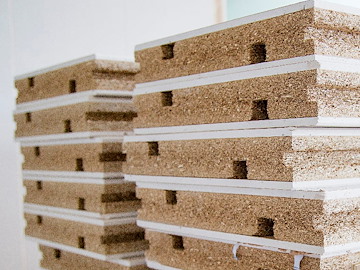
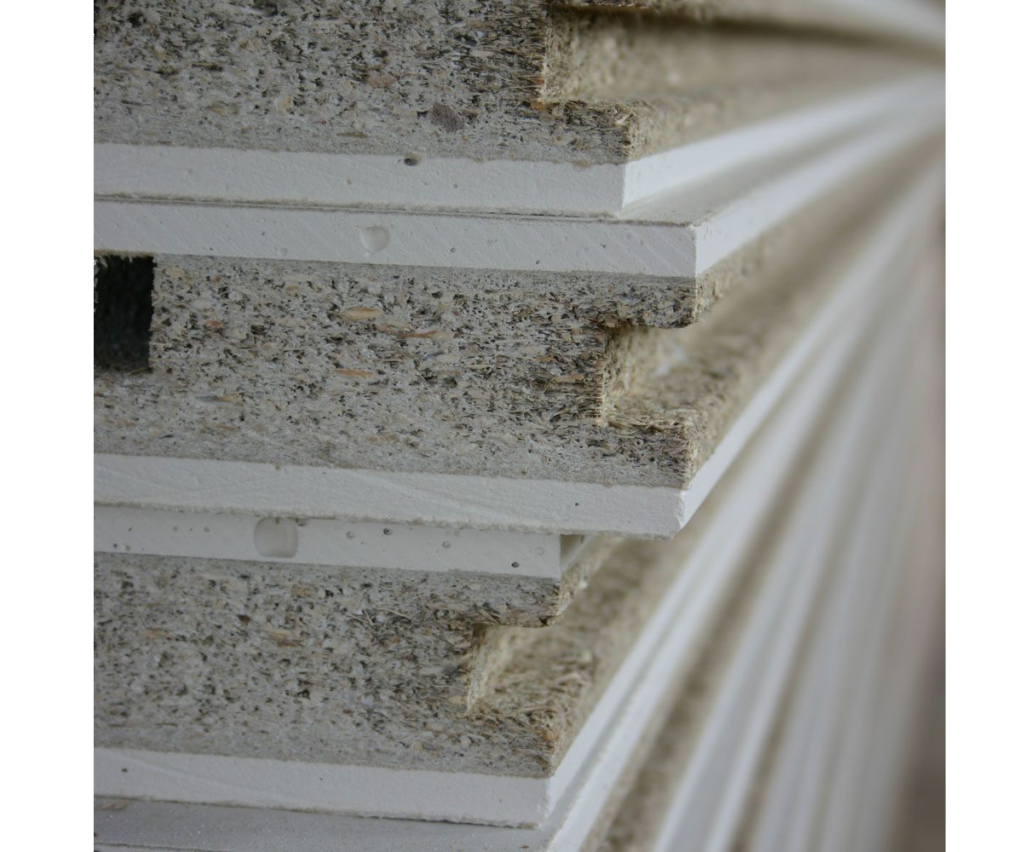
Few industries generate more waste than construction and demolition. But waste is not an inevitability—it is often the result of missing information. When materials are not documented, identified or designed for recovery, demolition becomes destruction and valuable resources are lost.
We help companies build strategies that move from waste management to material value management. This means thinking about materials not only at the end of use, but at the beginning of every project: how they are selected, specified, installed and maintained. By connecting footprinting, circular design, material tracking and digital passports, we help companies retain more value for longer and significantly reduce waste across projects and portfolios.
While regulation is a strong driver, our focus remains firmly on creating solutions that make sense operationally and economically. We work with construction companies, developers, architects, demolition experts and manufacturers to translate circular ambitions into everyday practices—from documentation and procurement to product development and project delivery.
Circular construction is not only possible; it is increasingly expected. With the right information, tools and guidance, companies can build assets that are more valuable, more compliant and more future-proof.
Our experts in circular building and construction are ready to transform your business.
Find out more about our circular transformations by diving into our circular stories