


In the hierarchy of circular strategies, refurbishment stands out as one of the most effective. Restoring products so they can be used again—safely, reliably and at high performance—avoids the environmental burden of manufacturing new items and significantly reduces costs. It is one of the most direct and measurable ways to cut emissions, preserve materials and create value.
At Cirmar, we believe refurbishment and remanufacturing should be a fundamental part of any circular strategy. They are practical, scalable and financially attractive when designed correctly. Over the years, we have supported several programmes—particularly in retail, the cleaning products sector and for climate and ventilation objects, where products often have far more potential life than current business models unlock. By extending that life, companies save money, reduce environmental impact and gain far more control over the quality and performance of their products.
Few strategies deliver as much value with as little environmental footprint as refurbishment. A well-designed refurbishment system keeps products in circulation at their highest value, often with only minimal interventions—replacing worn components, updating parts, cleaning, testing and certifying performance.
This approach avoids the manufacturing of new products, reduces demand for raw materials, decreases waste and avoids emissions. It also offers consistency and predictability for industries where equipment is used intensely, such as retail fixtures or cleaning machines. Instead of operating on a replacement cycle that consumes unnecessary resources, refurbishment extends product life in a way that is both sustainable and economically sound.
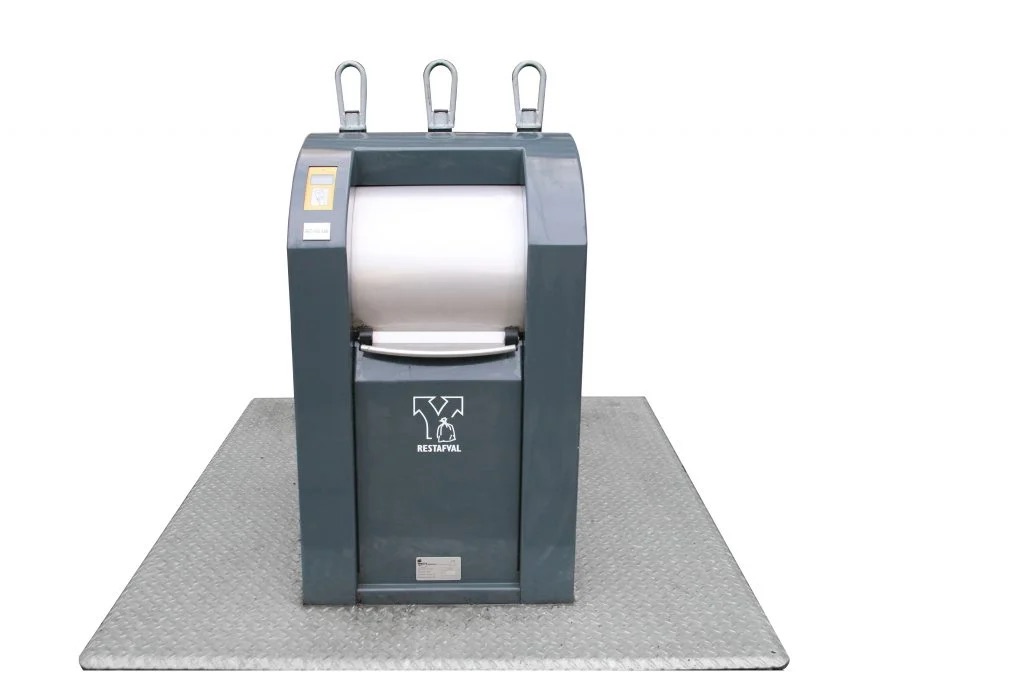
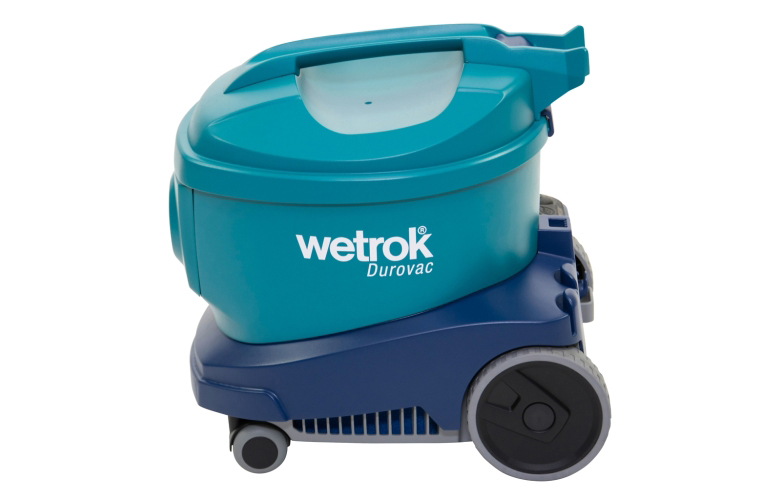
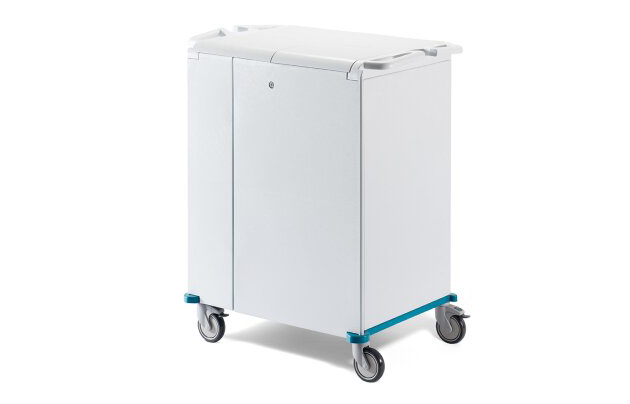
Our work in retail and the cleaning equipment sector has shown again and again how much value is left on the table when products are discarded prematurely. Cleaning machines, for example, often have a robust core design that can last far longer than expected when maintained or refurbished. Retail equipment used for store operations, logistics or presentation can follow similar patterns: structurally sound, but replaced because of wear, brand changes or shifting store concepts.
By setting up refurbishment and remanufacturing programmes, we help companies capture this overlooked value. Products return to serviceable condition with significantly lower cost and impact than buying new. This creates space for companies to invest in better performance, more durable design or improved service offerings, without increasing environmental pressure.
Refurbishment only works when it is supported by a viable business model. Cirmar has extensive experience in shaping refurbishment strategies that work not only environmentally, but commercially. This includes structuring return flows, determining refurbishment depth, setting pricing models, integrating refurbished units into sales channels and ensuring operational feasibility.
Sometimes the financial benefits appear immediately through reduced purchase costs or lower disposal fees. In other cases, gains emerge slightly later as procurement cycles stabilise, resale options mature or service-based models take shape. What matters is designing a system in which refurbishment is not an afterthought, but an integrated part of the product’s design, use cycle and the company’s value proposition.

“Refurbishment and remanufacturing are often forgotten – while they represent quick wins to restore products with minimal cost and environmental impact. We help find the low-hanging fruit and how to put material recovery into practice.”
Rens van den Boorn
Refurbishment becomes far more effective when built on clear and accessible product information. Knowing a product’s composition, components, maintenance history and potential for reuse allows refurbishment teams to work efficiently and safely. Digital Product Passports (DPPs) play a crucial role here by providing structured data that guides refurbishment decisions and verifies the condition and potential of returned products.
Just as importantly, refurbishment generates new information—details about remaining lifespan, optimised maintenance, replaced components or updated performance—that can be added back into the product’s passport. This ensures the next owner, user or recycler has accurate, trustworthy data, increasing the product’s long-term value.
Refurbishment supports stronger supply cycles, reduces dependency on new materials and creates repeatable value cycles. It is a practical demonstration of circularity in action: keep products in use, preserve the value embedded in them and extend the time before new manufacturing is needed and consequently reduce emissions.
Cirmar supports organisations in turning refurbishment from a possibility into a functioning system. With the right strategy, processes and digital foundation, refurbishment becomes not only a sustainability measure, but a strategic advantage—economically, operationally and environmentally.
Our experts in refurbishment and remanufacturing are ready to transform your business.
Find out more about our circular transformations by diving into our circular stories