


Retail is evolving quickly. Rising costs, shorter product use cycles, shifting consumer expectations and ambitious sustainability legislation are pushing retailers to rethink how stores are designed, furnished and operated. At the same time, margins in retail are tight—every investment must make economic sense. This is where circularity becomes a strategic advantage.
For retailers, especially in sectors like supermarkets, the physical environment represents a major opportunity to create both economic and environmental value. Fixtures, furniture, shelving and interior components are often replaced far more frequently than necessary, generating unnecessary costs and waste. Circular solutions can extend their useful life, reduce material consumption and significantly improve the financial performance of retail operations.
Cirmar supports retailers, store designers and fixture manufacturers in building strategies that strengthen the bottom line while reducing environmental impact.
The retail sector is seeing a shift toward more responsible and resource-efficient store concepts. Brands are increasingly expected to demonstrate transparency about their materials, the impact of their products and the long-term sustainability of their store infrastructure. Regulations and voluntary standards are moving in the direction of traceable materials, better product information and more durable, repairable and recyclable fixtures.
For many organisations, the challenge lies not in recognising the need for change, but in turning it into a consistent approach across multiple stores, regions and suppliers. Circular retail design requires a structured way of working—especially when dealing with frequent refresh cycles, seasonal elements and high-traffic environments.
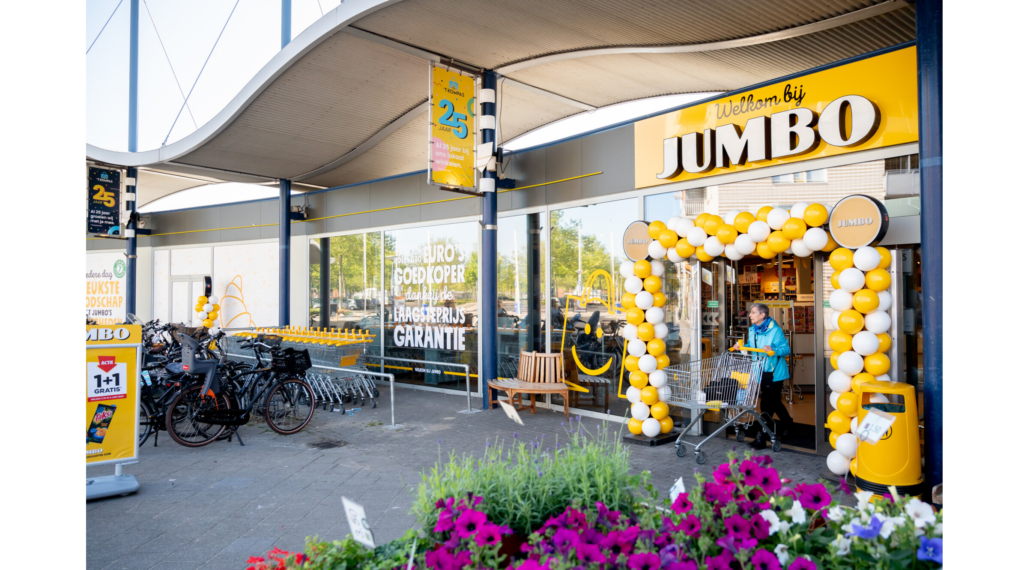
Cirmar has hands-on experience in retail, including projects focused on furnishing supermarkets. This is a space where circularity and economic value go hand in hand. Supermarket environments are heavily used and updated regularly, making them a perfect example of where smarter material choices, better modularity and design-for-reuse can deliver substantial savings.
By mapping the materials, lifespans and impact of store components, we help retailers discover where the greatest opportunities lie. Often, value is gained not only by replacing items with more sustainable options, but by rethinking the entire use cycle of fixtures—designing them so they can be repaired, renewed or repurposed rather than discarded. This reduces waste, lowers capex and operating costs and ensures consistency across store formats.
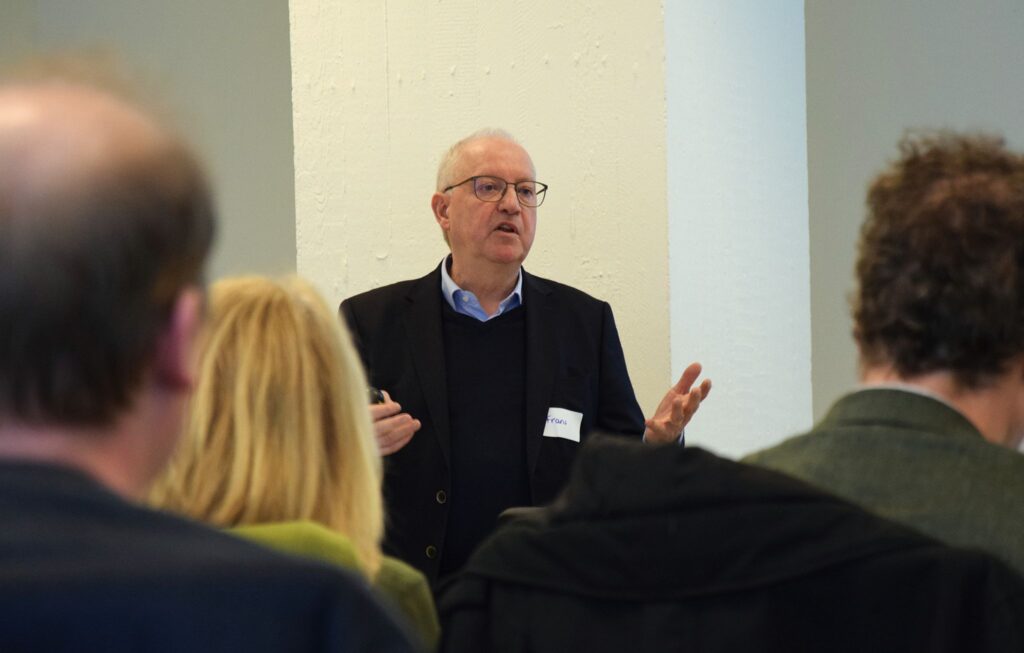
“It simply makes sense to take steps towards circularity in retail. There is a business case for this transition on various levels, from the building to the products on the shelves.”
Frans Beckers
Digital Product Passports (DPPs) are emerging as a key requirement for many product groups, and the principles behind them are highly relevant for retail environments. When fixtures and furniture carry clear, structured information about their materials, maintenance, circular potential and environmental performance, retailers gain the insight needed to plan replacements, reuse items across stores and reduce both cost and ecological footprint.
Cirmar helps retailers and fixture suppliers develop this information in a practical, scalable way. By connecting product data with store planning, procurement and operational processes, DPPs become more than a compliance tool—they become an instrument for smarter asset management and long-term value creation.
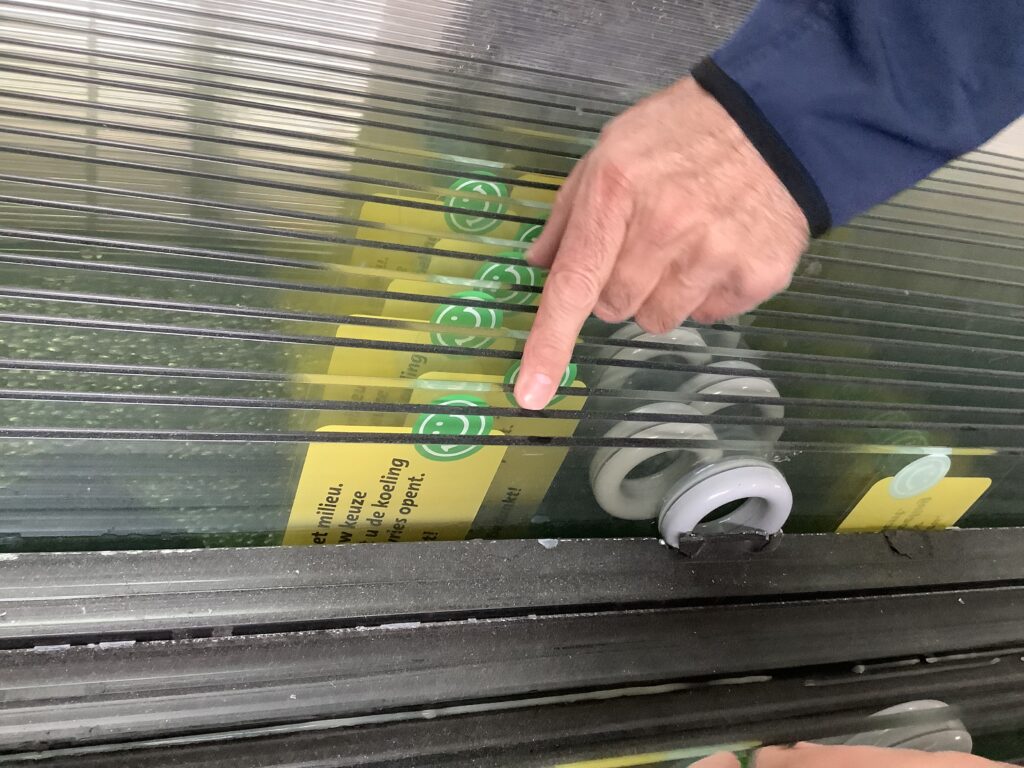
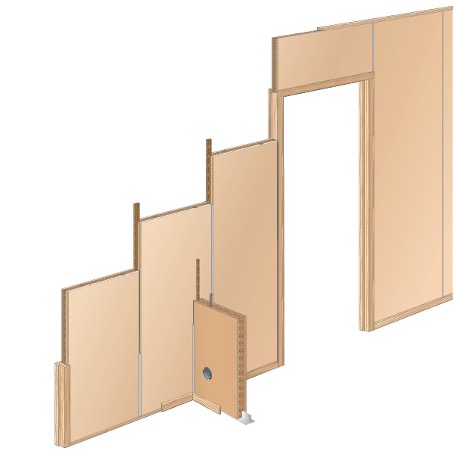
Circular retail environments are not achieved through design alone. They require clear processes for procurement, maintenance, refurbishment, logistics and supplier collaboration. Our role is to help retailers align these elements so that circularity becomes the natural way of working.
We translate sustainability goals into everyday practice, ensuring that store refreshes, rollouts and renovations follow a consistent circular strategy. This creates more resilient supply cycles, reduces dependency on virgin materials and increases the value of every fixture and component.
Circularity offers retailers a way to secure value, improve brand positioning and meet the expectations of both customers and regulators. Whether you are building a new store concept, refreshing existing locations or optimising your fixture portfolio, circular thinking helps you get more out of every product and material.
Cirmar supports retailers in making this transition practical, scalable and economically sound—turning stores into spaces that are not only more sustainable, but also far more cost-effective over time.
Our experts in circular retail are ready to transform your business.
Find out more about our circular transformations by diving into our circular stories