

[Re]value is an Interreg-funded research and development project focused on securing a future for local wool and hemp in interior applications. These materials hold enormous potential: they are renewable, locally available and well suited for use in products such as insulation, panels, textiles and interior finishes. Yet today, much of this potential remains untapped due to fragmented value chains, limited data and a lack of circular systems.

Through [Re]value, partners across borders work together to close this gap—connecting material producers, designers, manufacturers, researchers and end users to build circular pathways that are both environmentally and economically viable. Cirmar participates in this project through its parent company FBBasic, contributing expertise in circular strategy, impact modelling and digital product transparency.
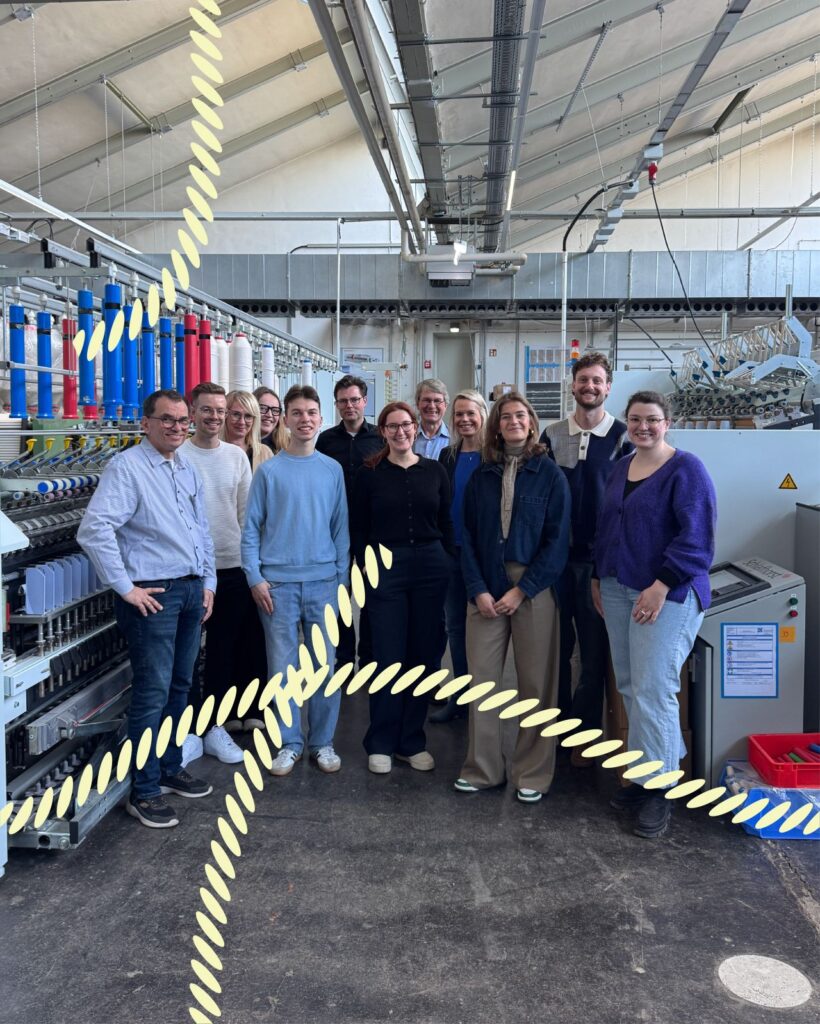
The project partners:
Hochschule Niederrhein, Spinning Jenny, Envisions, Brain of Materials, Trützschler.
One of the central challenges addressed by [Re]value is how local bio-based materials can move beyond niche applications and become part of scalable interior solutions. Wool and hemp are often undervalued or treated as residual streams, despite their strong technical and environmental properties.
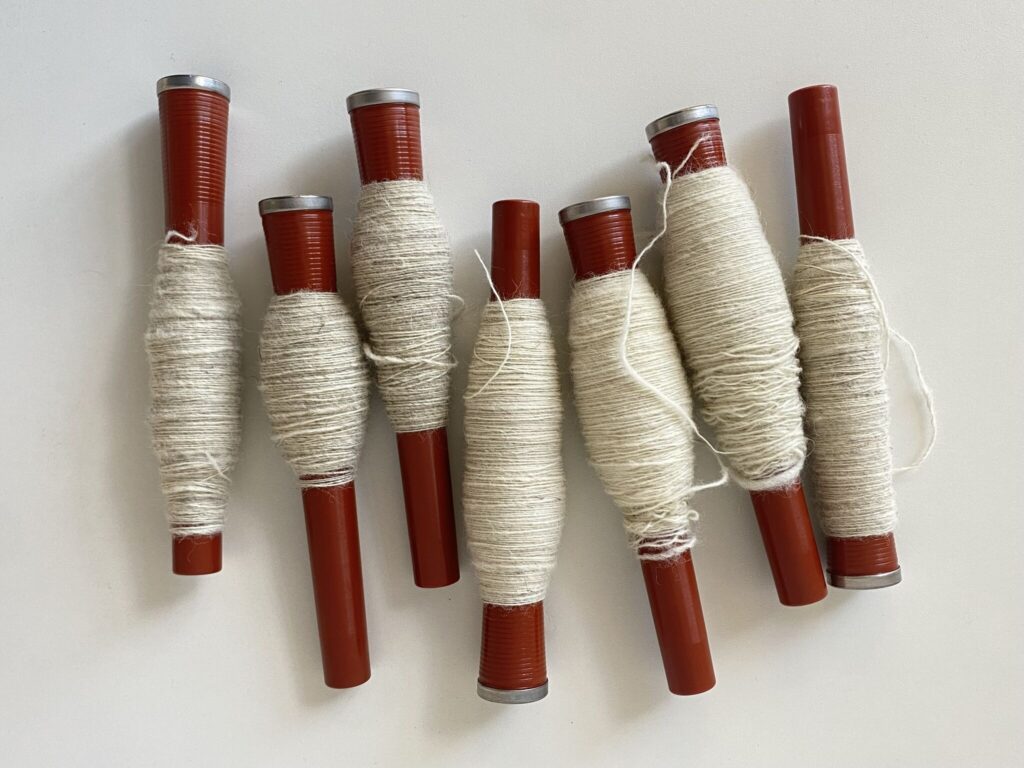
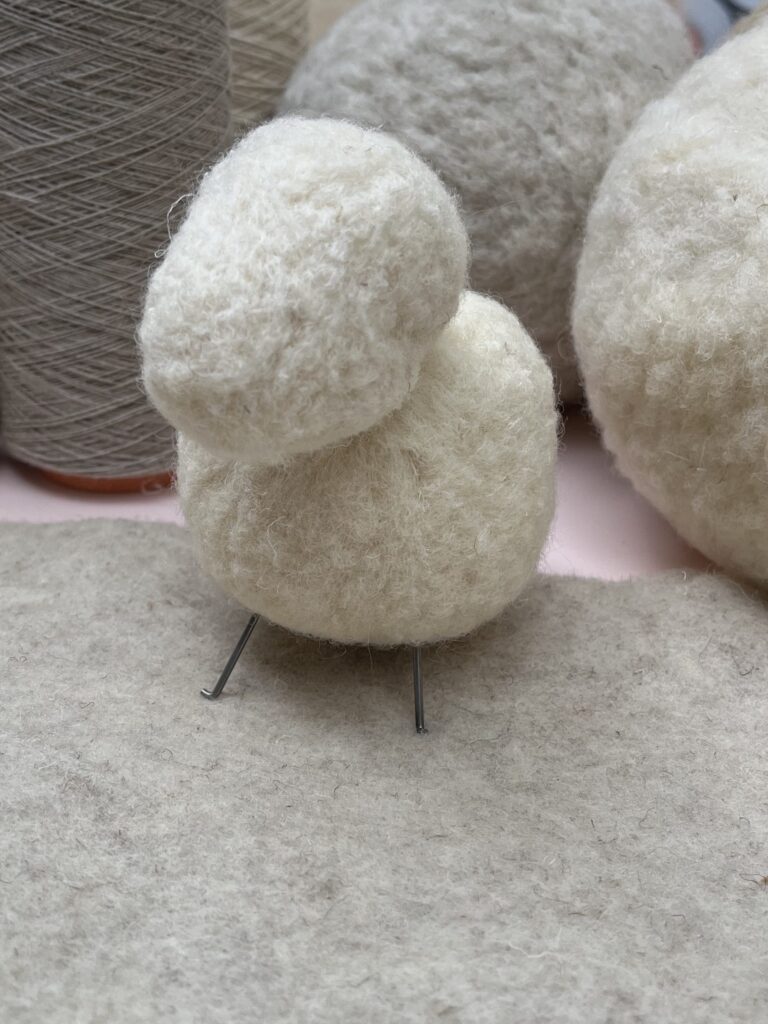
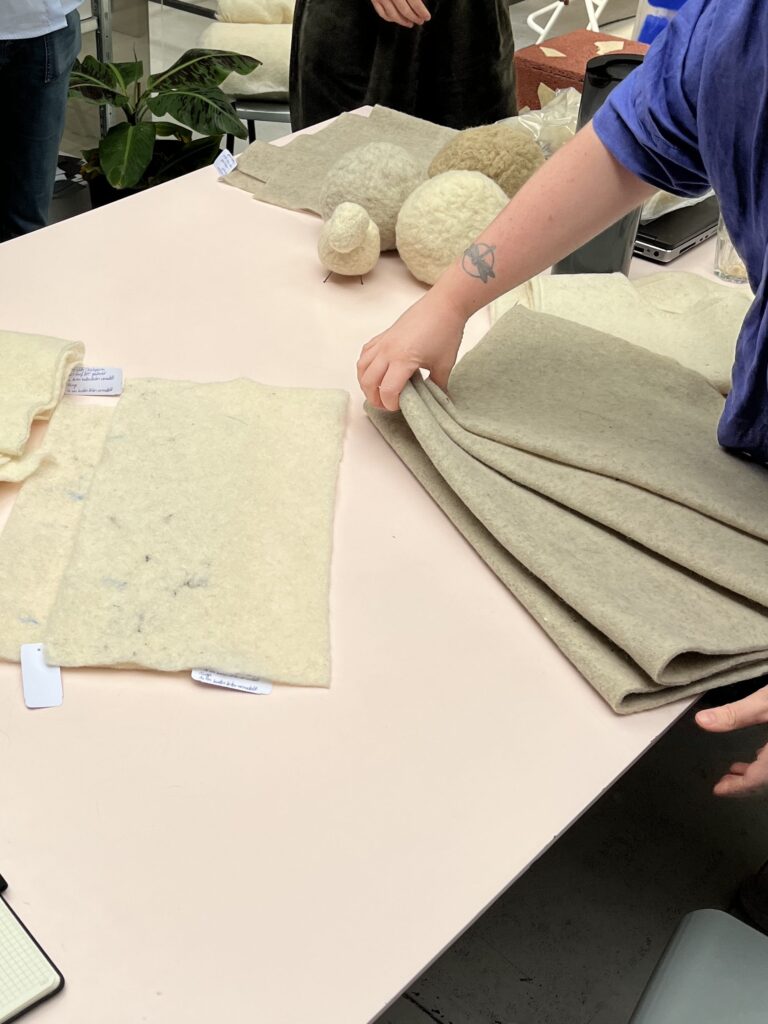
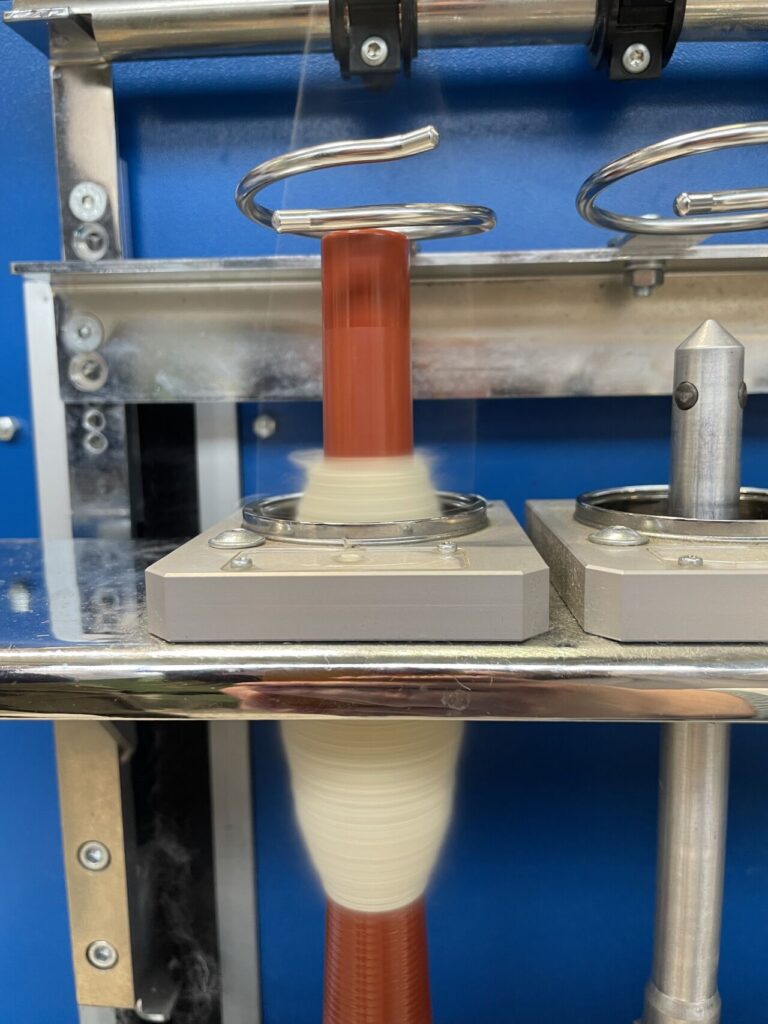
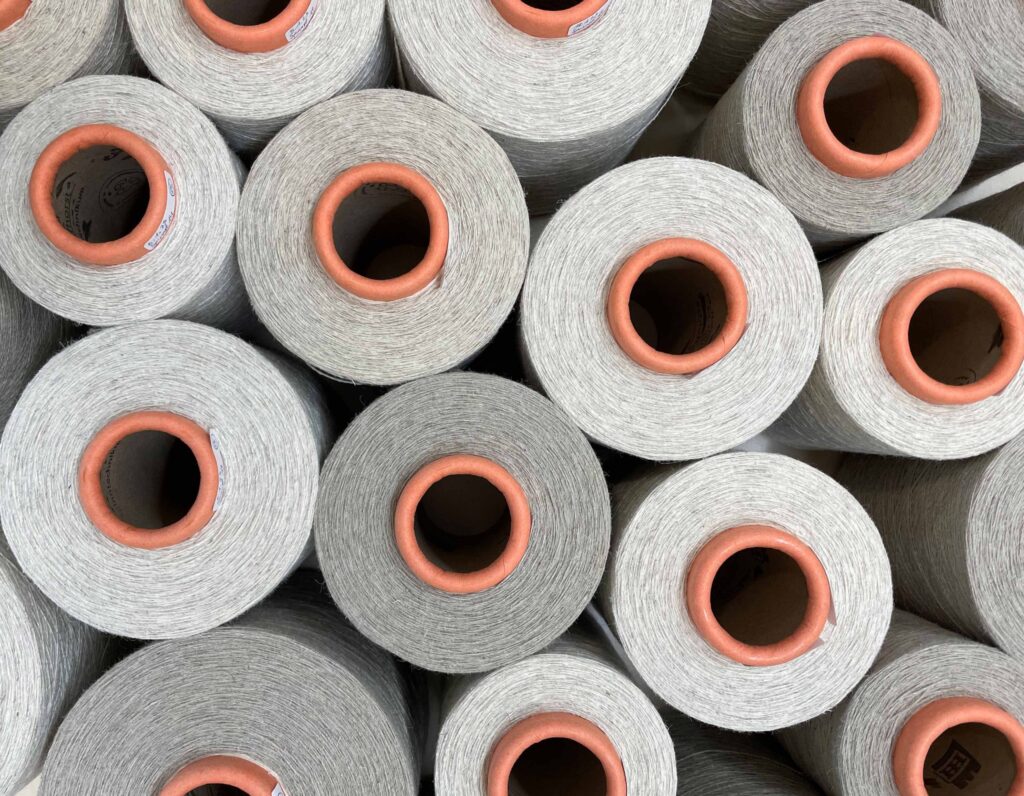
Within the project, we explore how these materials can be transformed into high-quality interior products while retaining their circular potential. This means looking not only at the material itself, but at the full system around it: sourcing, processing, product design, use, reuse and eventual next-life applications.
A key component of [Re]value is impact modelling and calculation. To build credible circular systems, claims must be backed by data. Within the project, we model and calculate the environmental impact of different materials and product concepts, allowing partners to compare alternatives and make informed design choices.
This approach supports better decision-making early in the development process, when changes have the greatest effect. It also helps demonstrate the value of local, bio-based materials in comparison to conventional interior products.
For circular products to succeed, information must travel with them. Within [Re]value, C_passport® is used to ensure that products made from wool and hemp can fulfil their circular potential throughout their lifecycle.
By documenting material composition, origin, impact data and circular options, the passport creates transparency for manufacturers, designers, users and future recovery partners. It ensures that products are not only designed with circularity in mind, but can actually be reused, refurbished or recycled at the end of their current use.
In this way, digital product information becomes a practical enabler of circular systems rather than an administrative layer.
[Re]value is not only about developing materials and products—it is also about building shared understanding. Throughout the project, we actively engage with consortium partners, market parties and students to raise awareness of circular systems and their implications for design, production and consumption.
By involving students and professionals alike, the project helps translate research into practice and prepares the next generation of designers and engineers to think in terms of material cascades, lifecycle impact and circular value creation.
At its core, [Re]value contributes to the development of regional circular ecosystems. By focusing on locally sourced materials and regional value chains, the project reduces dependency on global supply chains and strengthens local economies. Wool and hemp become more than raw materials—they become building blocks for resilient, circular interior systems.
For Cirmar and FBBasic, participation in [Re]value reflects a broader ambition: to combine research, practice and digital tools in ways that accelerate the transition toward circular production and use of materials.
[Re]value demonstrates how circularity can move from concept to application. By combining material research, impact calculation, digital product passports and education, the project lays the groundwork for interior products that are designed to last, to circulate and to retain value over time.
It is a concrete example of how collaboration, data and circular thinking can give materials—and the systems around them—a second use.