


The textile and fashion industry are under intense pressure to change. Volumes are high, product lifetimes are short, and waste keeps growing. In response, the EU is rolling out a comprehensive strategy for sustainable and circular textiles, aiming for products that are durable, repairable, and recyclable by 2030, with clear rules on waste, hazardous substances and overproduction.
At the same time, new laws are reshaping how brands design, produce and sell garments. Extended Producer Responsibility (EPR) rules will require textile producers to pay for the collection, sorting and recycling of textile waste across the EU, including for goods sold via e-commerce. Fast fashion is being targeted directly: countries like France are moving ahead with advertising bans and eco-surcharges on ultra-fast fashion items to curb overproduction and overconsumption.
For textile companies, this is not just a compliance challenge. It is a turning point: move away from a fast fashion mindset and build circular textile systems that are traceable, repairable and economically resilient. Cirmar helps textile brands and manufacturers turn that challenge into a practical roadmap.
Under the EU’s Ecodesign for Sustainable Products Regulation (ESPR), textiles are one of the first product groups in scope. Products will need to meet stricter requirements on durability, reparability, recyclability and the use of recycled fibres, and to carry a Digital Product Passport (DPP): a digital identity that stores information about materials, supply cycle and next use solutions.
Alongside this, EU-wide EPR rules for textiles will make producers financially responsible for what happens when garments, footwear and household textiles reach end of life.
In practice, that means your business model, product design choices and waste streams are no longer separate topics—they are part of one regulatory and economic picture.
Cirmar supports textile companies in understanding how these pieces fit together. We help translate the EU textile strategy, ESPR, EPR and related national rules into a clear, actionable agenda for your organisation, without losing sight of commercial reality.
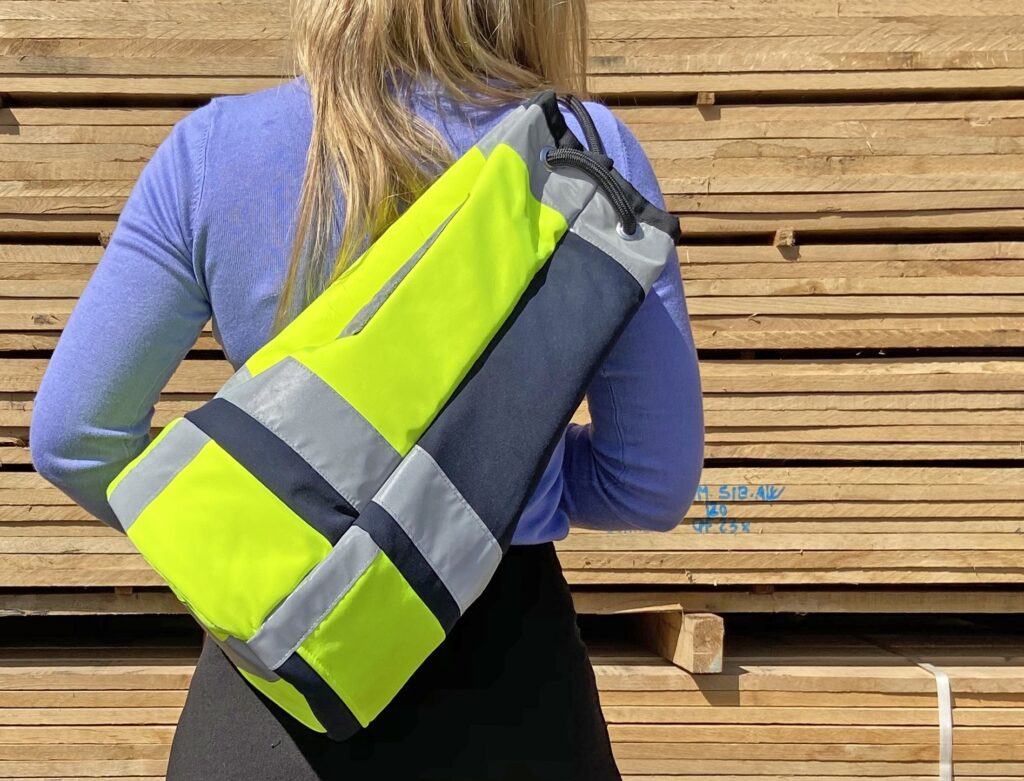
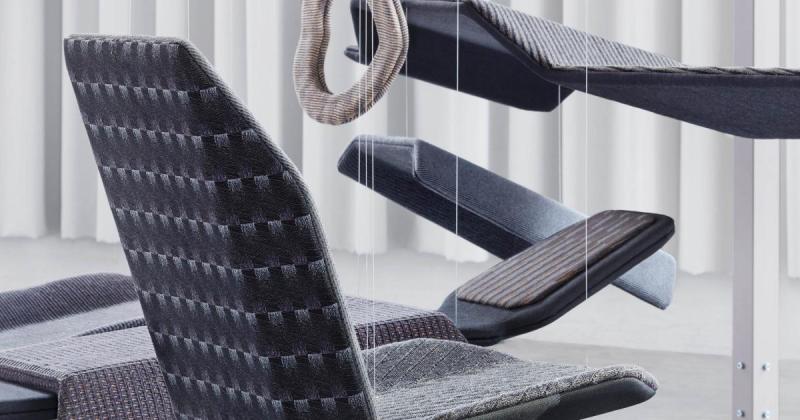
Our starting point is simple: textile companies need solutions that work in the real world—for design teams, sourcing, operations, finance and marketing.
We work with brands and manufacturers to map current product portfolios, material flows and data availability, then identify what needs to change to comply with upcoming requirements and to move beyond compliance into genuine circularity. That can mean rethinking fibre choices and blends, designing for repair and disassembly, making sense of multiple EPR schemes across markets, or structuring take-back and reuse programmes so they actually support the business instead of sitting on the side.
Because we combine strategic consulting with a digital platform, we can connect high-level decisions to product-level execution. The goal is always the same: less waste, more value retained in the system, and a clearer story towards customers, regulators and investors.

“Understanding the challenge for textiles to become circular is one thing – actually finding ways to make it happen is another, and we can help you do so.”
Jasper Martin
For textiles, Digital Product Passports are becoming a central requirement rather than an optional extra. Every item placed on the EU market will gradually need a passport that includes data on composition, origin, environmental impact and circular options such as repair, reuse and recycling.
Cirmar’s C_passport® helps companies in the textile industry structure and manage this data in a way that is both compliant and useful. With our platform you can:
In other words, we use C_passport® not just as a regulatory obligation, but as a backbone for circular textile strategies.
Anti–fast-fashion policies, rising EPR fees and shifting consumer expectations are all pointing in the same direction: the era of disposable clothing is coming to an end.
Cirmar works with textile companies in various industries that want to move beyond a “more sustainable collection” narrative and structurally reduce dependency on volume-based growth. That can involve:
We help you quantify both environmental and circular impact, using product-level footprinting and LCA+ methods where relevant, and link those insights to concrete design and business choices.
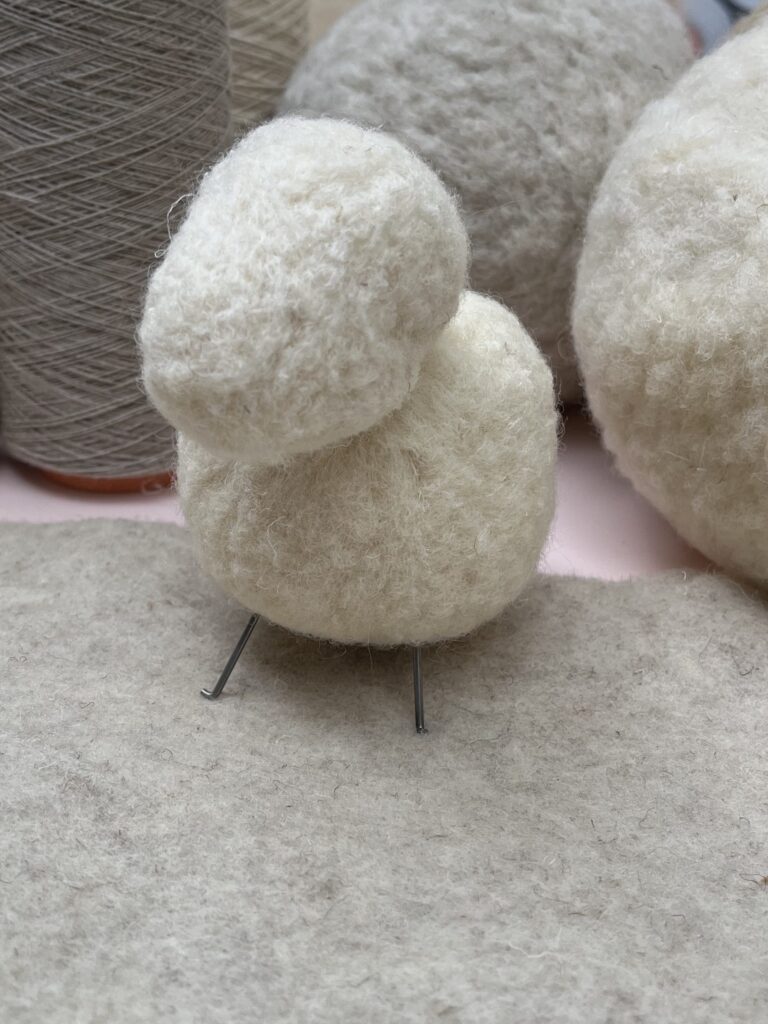
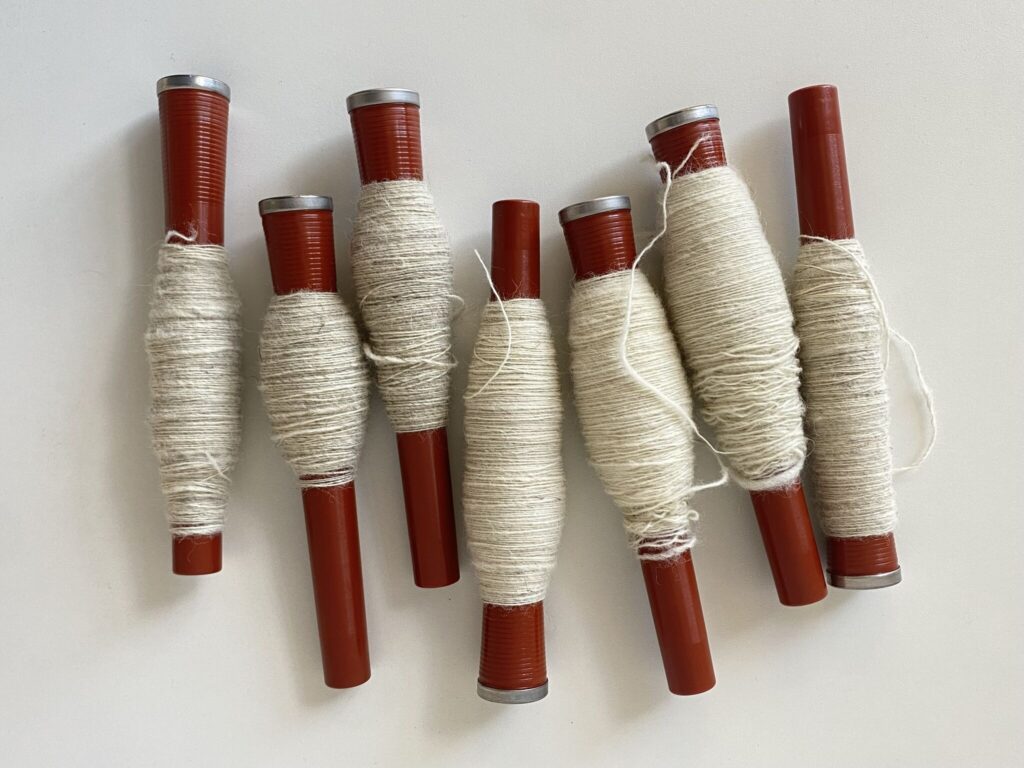
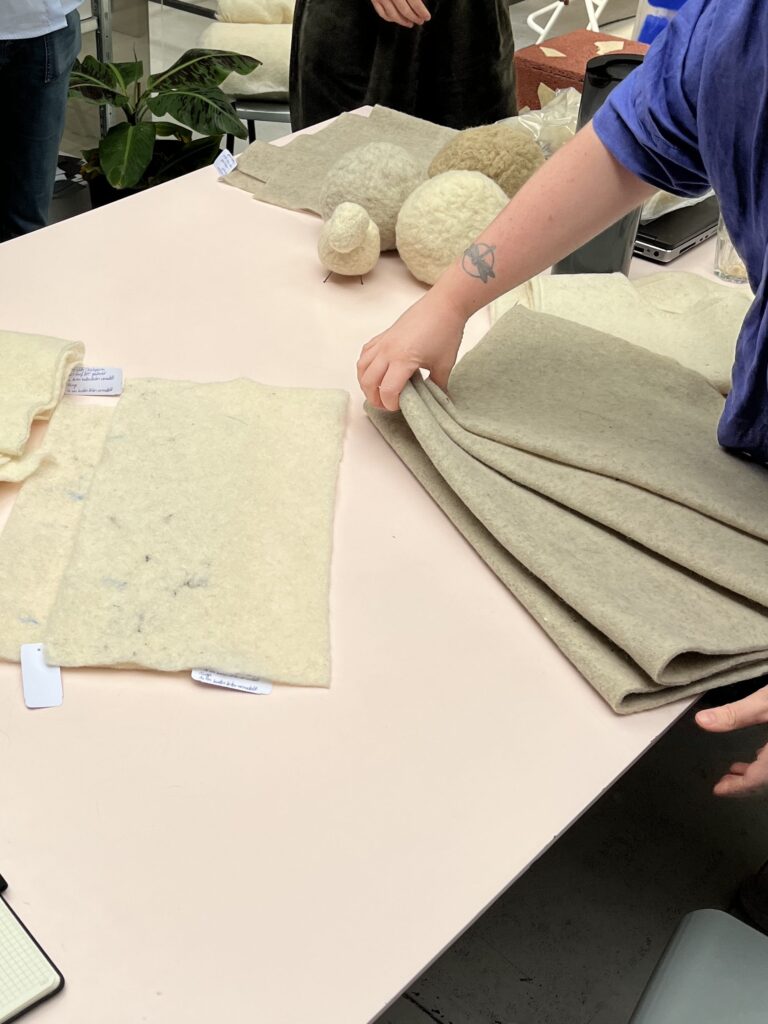
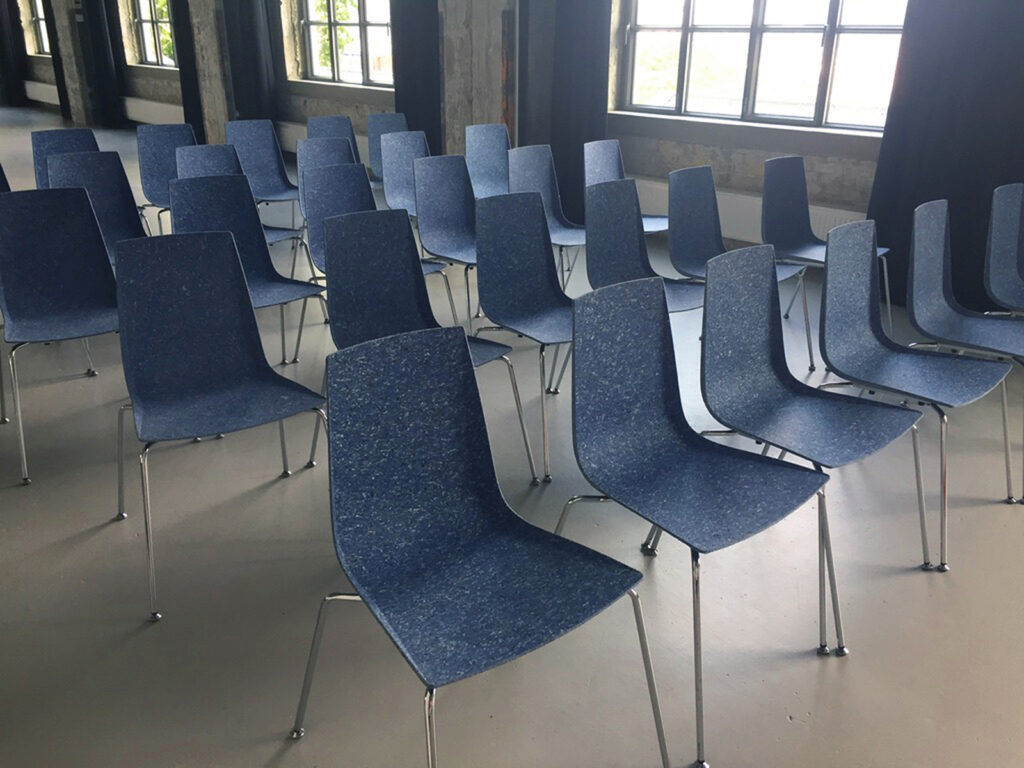
We work with our clients towards more circular textile solutions. At the same time, we take part in research projects to advance the technical and practical circularity in the industry. In [Re]Value, we are developing a locally sourced, biogenic yarn made of hemp and wool. In the past, we have worked together with Imat-uve (today Brain of Materials), Hochschule Niederrhein, Spinning Jenny and Trützschler to create yarns suitable for the automotive industry, which holds very high standards for textile applications.
The textile sector is often portrayed as a problem industry—but it also has one of the biggest opportunities to lead in circularity. With stricter rules on the horizon and Digital Product Passports becoming the norm, the companies that act now will be better prepared, more transparent and more resilient.
Cirmar’s role is to guide textile brands, manufacturers and retailers through this transition: making sense of regulations like blending requirements and the ESPR, implementing C_passport® and data structures, and developing circular strategies that go further than compliance and actively challenge the fast-fashion status quo.
Our experts in circular textiles are ready to transform your business.
Find out more about our circular transformations by diving into our circular stories