


For decades, industries have operated within a linear paradigm defined by extraction, production, use, and disposal. This model has been highly effective in driving scale and efficiency, but it has also led to a fundamental disconnect between economic activity and resource preservation. Materials are treated as abundant and disposable, products are optimised for cost rather than longevity, and value is systematically lost at the end of each usecycle.
Transitioning to a circular economy requires more than incremental improvements to this system. It demands a shift in mindset, processes, and decision-making across entire organisations. At its core, this is a challenge of change management: how to move from a model built on throughput to one built on value retention.
One of the most powerful concepts in this transition is that of the urban mine. Instead of viewing cities, infrastructure, and products as endpoints of consumption, the urban mine reframes them as reservoirs of valuable materials. Buildings, electronics, textiles, and equipment collectively represent vast stocks of resources that have already been extracted, processed, and embedded into products. Recognising this changes the starting point of value creation. Rather than sourcing new raw materials, organisations can begin by asking how to recover and reuse what already exists.
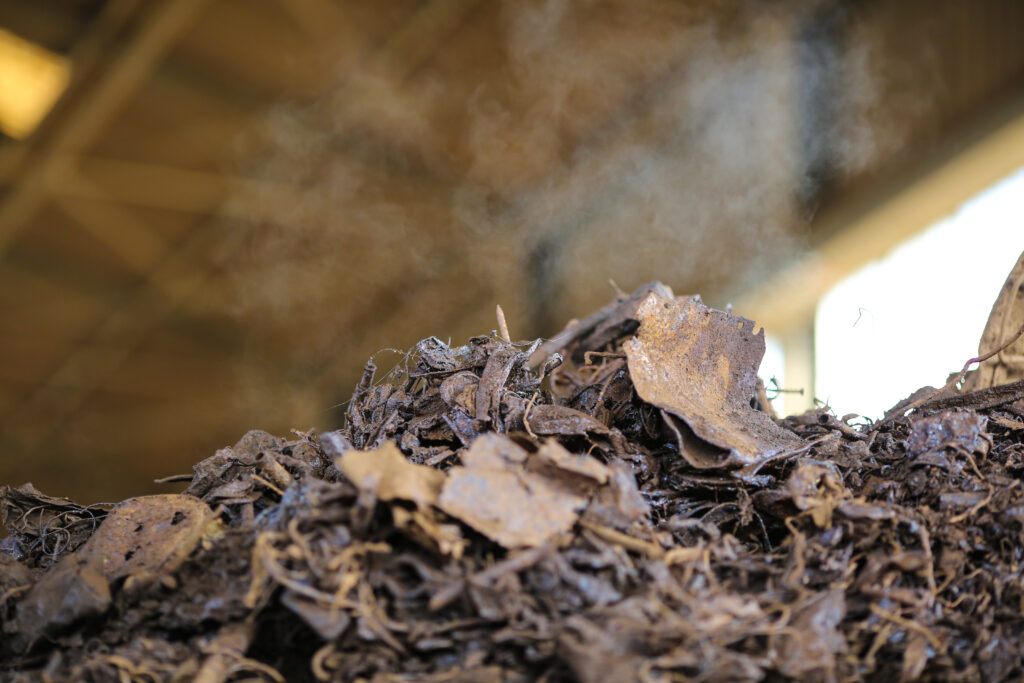
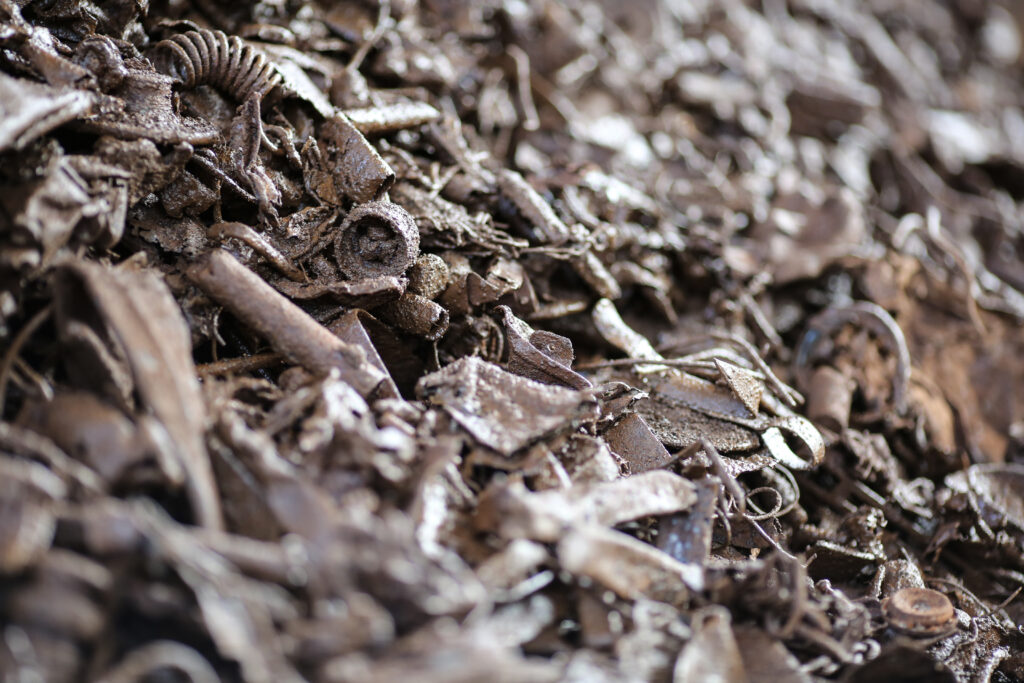
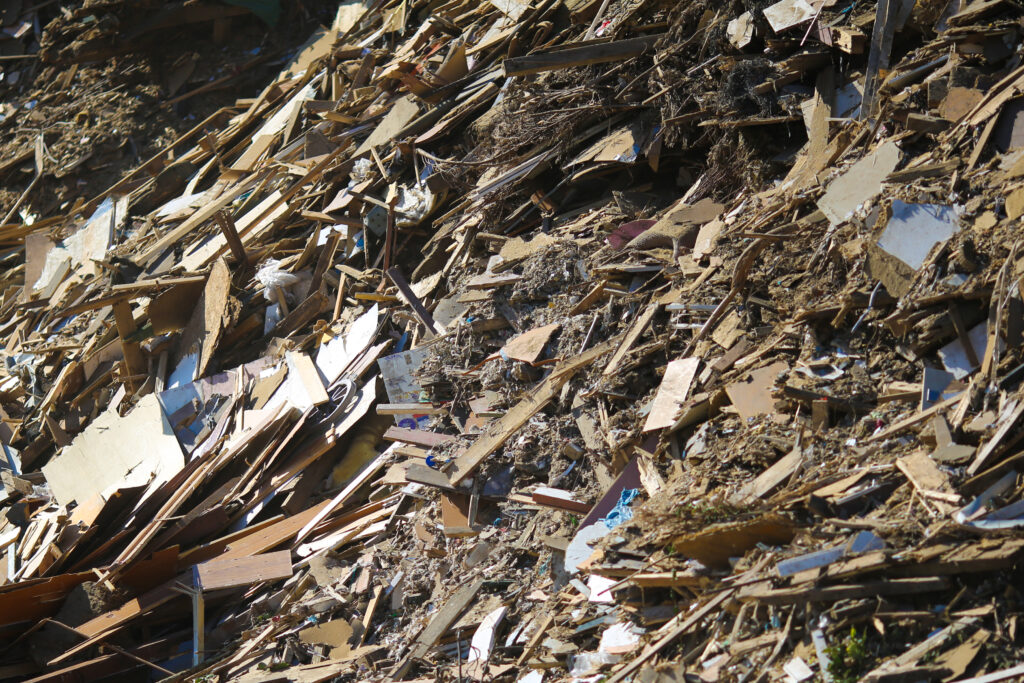
This shift has profound implications. It challenges procurement strategies that are based on virgin material inputs and introduces new dependencies on recovery, sorting, and material quality. It also requires organisations to develop visibility into existing material stocks, which are often poorly documented or entirely unknown. Without this visibility, the potential of the urban mine remains inaccessible.
As organisations begin to engage with these material flows, the limitations of products designed for linear systems quickly become apparent. Many products are difficult to disassemble, contain mixed or incompatible materials, or degrade in ways that prevent high-quality reuse. In a circular context, these characteristics translate directly into lost value. The conclusion is unavoidable: if we want to recover value effectively, we must design products differently from the outset.
This is where change management becomes most tangible. Redesigning products for circularity is not a purely technical exercise; it requires coordination across design, engineering, procurement, and business strategy. Decisions about materials, assembly methods, and product architecture must take into account not only initial performance and cost, but also future recovery, repair, and reuse. This introduces new trade-offs and requires new forms of collaboration within organisations.
Designing for circularity also means designing for multiple lifecycles. A product is no longer conceived as having a single use phase followed by disposal, but as an asset that can move through cycles of use, refurbishment, and material recovery. This requires a level of foresight that is often absent in linear systems. It also depends on the availability of reliable information, so that each subsequent user or processor understands the product’s composition and potential.
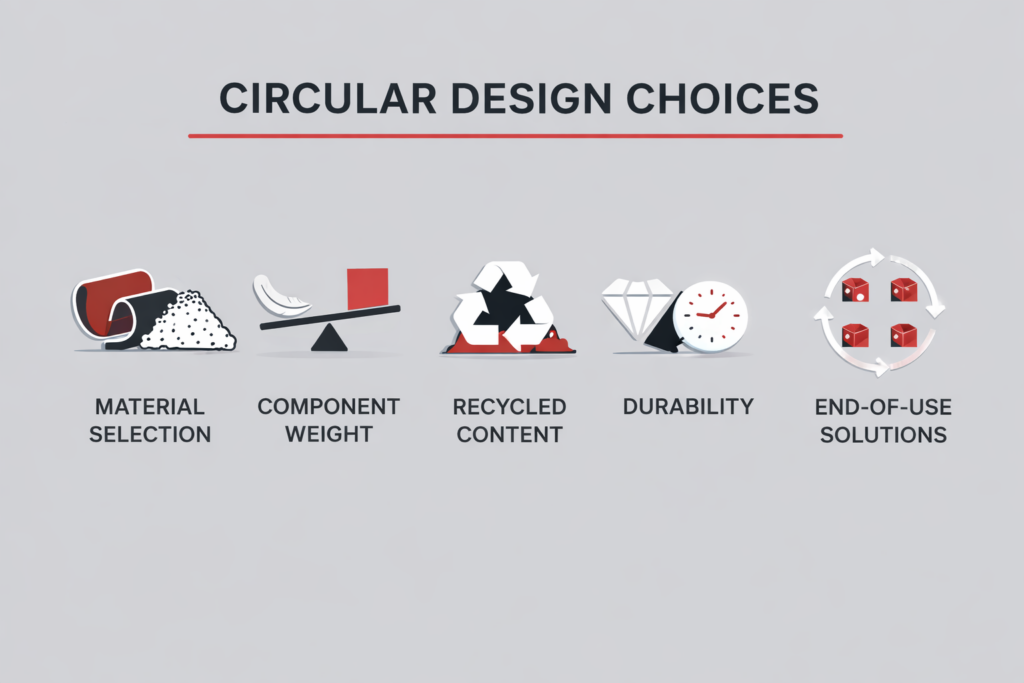
The transition from linear to circular systems therefore unfolds in stages. It begins with recognizing the value embedded in existing products and materials through the concept of the urban mine. It progresses through the development of capabilities to access and process these resources. Ultimately, it leads to a redesign of products and systems so that value can be maintained deliberately and consistently across lifecycles.
For organisations, managing this transition involves navigating uncertainty while building new competencies. Established processes and metrics, which are optimised for linear efficiency, may no longer be sufficient. New indicators are needed to measure value retention, material quality, and use cycle performance. At the same time, cultural change is essential. Teams must shift from a mindset of ownership and disposal to one of stewardship and continuity.
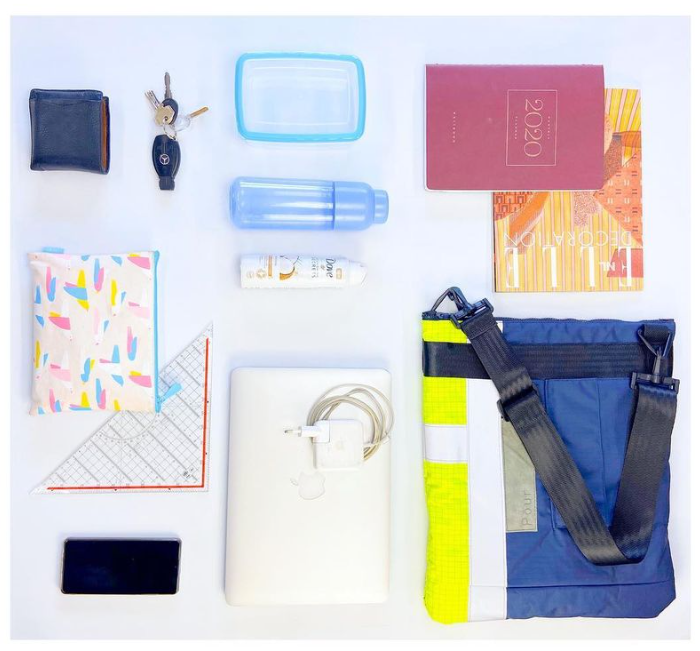
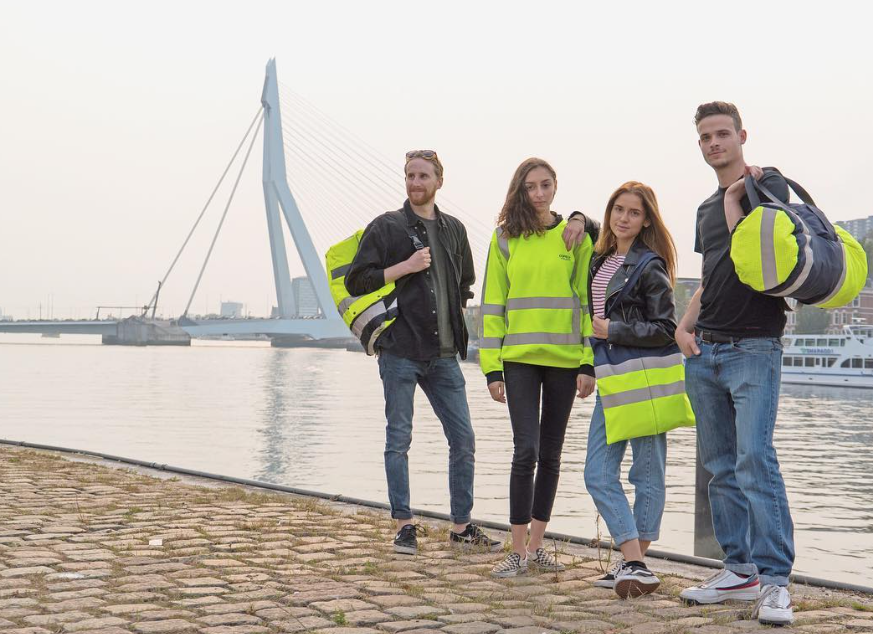

What emerges from this transformation is a fundamentally different economic logic. Value is no longer created primarily by moving materials through the system as quickly as possible, but by keeping them in the system at their highest possible quality for as long as possible. Products become carriers of both material and informational value, and organisations become managers of flows rather than endpoints.
The circular economy is often described in terms of environmental benefits, but its implementation is ultimately an organisational challenge. It requires rethinking how decisions are made, how products are designed, and how value is defined. Change management is therefore not a supporting activity; it is central to the transition itself.
By starting with the urban mine and moving toward products designed for circularity, organizations can begin to align their operations with this new reality. The journey is complex, but the direction is clear: from linear consumption to continuous value retention.