


In the transition to a circular economy, the discussion often turns to systems, policies, and targets. Yet circularity ultimately becomes tangible at the level of design. It is in the decisions made at the drawing board where waste is either locked in—or designed out.
That’s why we want to turn the spotlights to Pōur – a company making that shift visible. Instead of treating used textiles as an end point, Pōur starts from what already exists. Discarded workwear is collected, sorted, and taken apart, then reassembled into new products such as bags, each carrying the history of its materials. What would otherwise be considered waste becomes the foundation for something new.
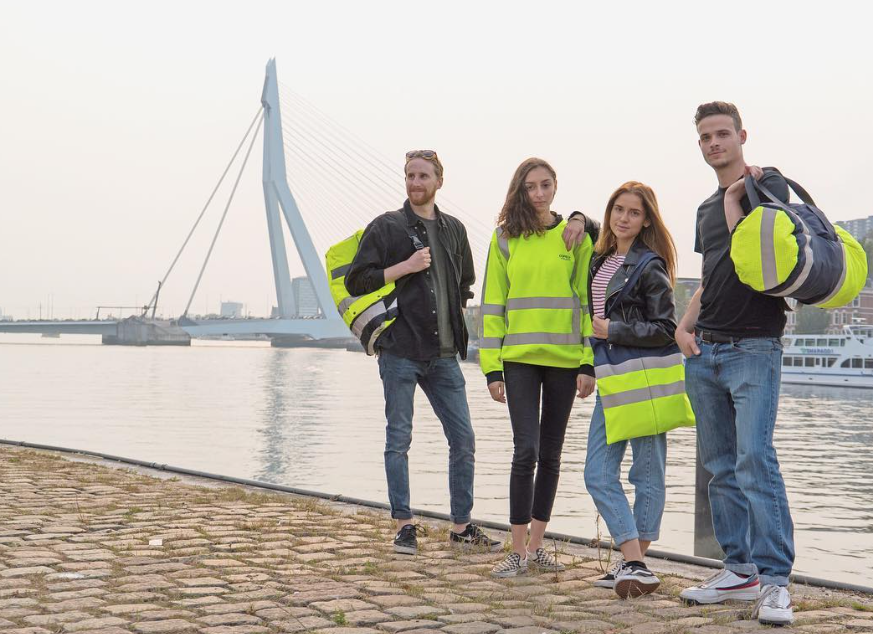
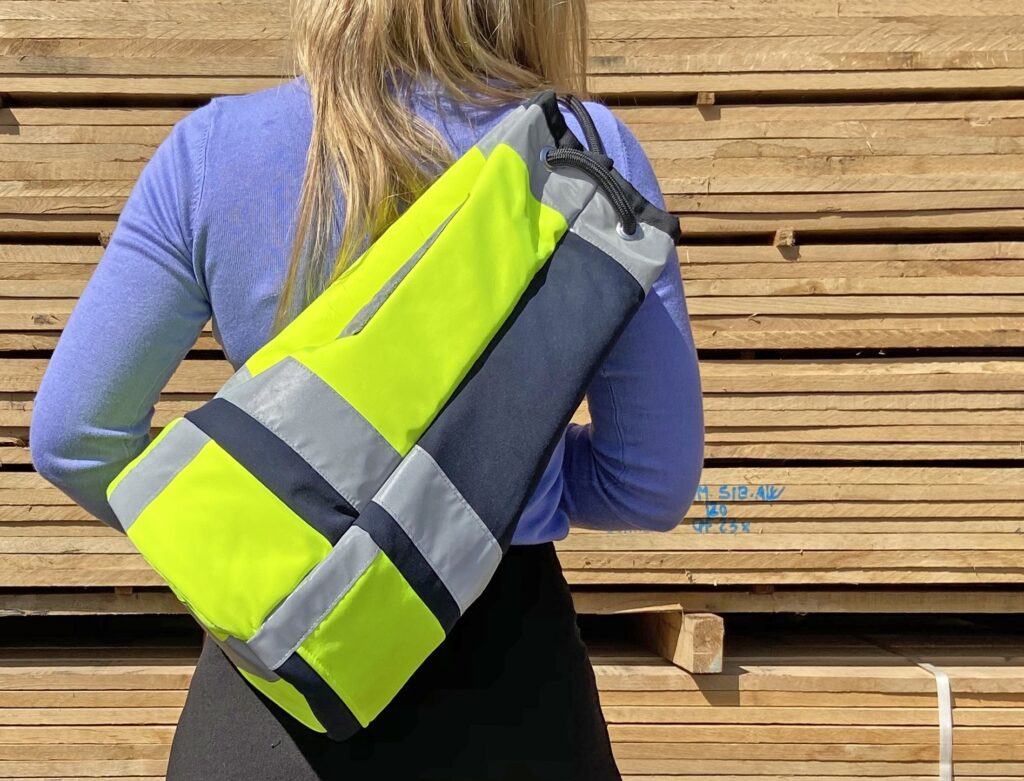
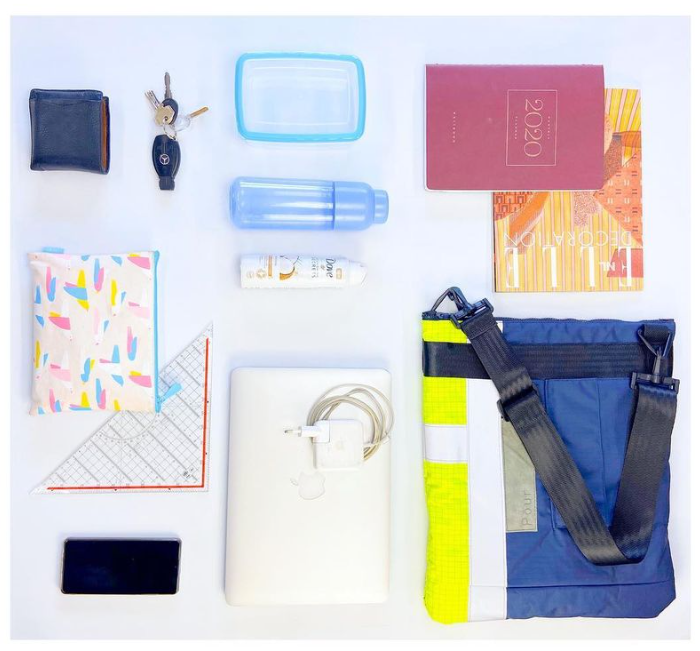
This is not simply recycling. It is redesign. The starting point is no longer a virgin material stream, but an existing one. That requires a different way of thinking about materials, aesthetics, and production. It also requires accepting variability: no two inputs are identical, and therefore no two outputs are either. In a linear system, that would be seen as inefficiency. In a circular system, it becomes part of the value proposition.
At the same time, the Pōur case highlights an often overlooked aspect of circular design: it does not stop at the product. A reverselogistics network was set up to ensure a steady flow of used materials, showing that design decisions extend into sourcing, partnerships, and operations. Circularity is therefore not an isolated design exercise, but part of a broader system that needs to function as a whole.
This aligns with how we like to approach circularity. Design is not a phase at the beginning of a process, but the point where the entire system is defined. Materials, product architecture, and future recovery pathways are considered together, ensuring that value can be preserved over time rather than lost at end-of-use.
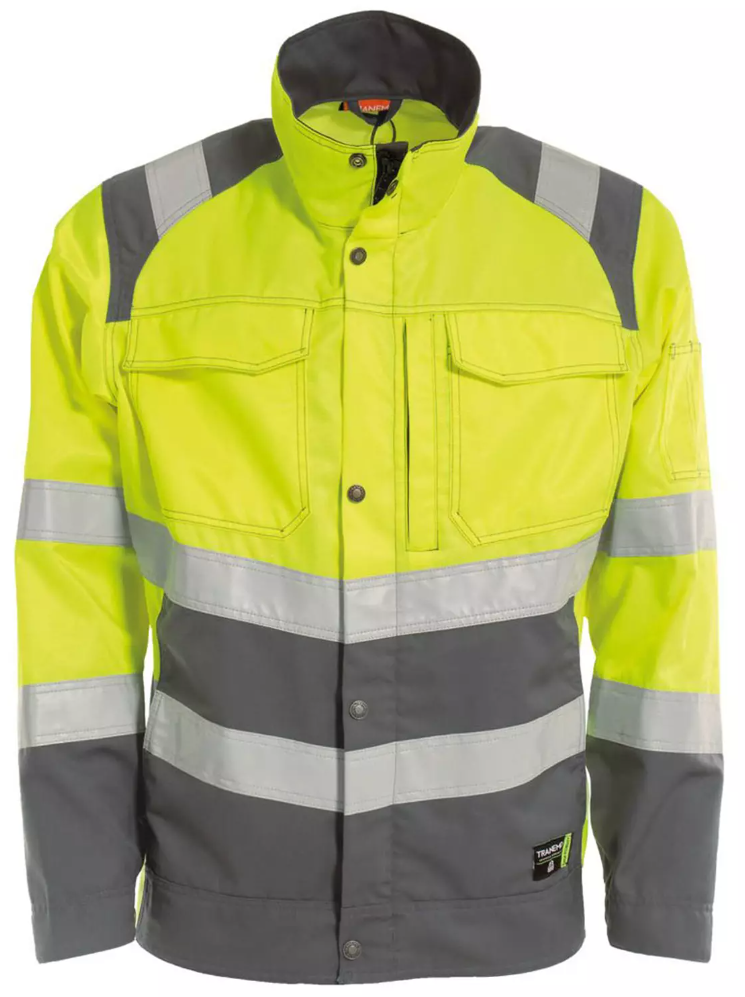
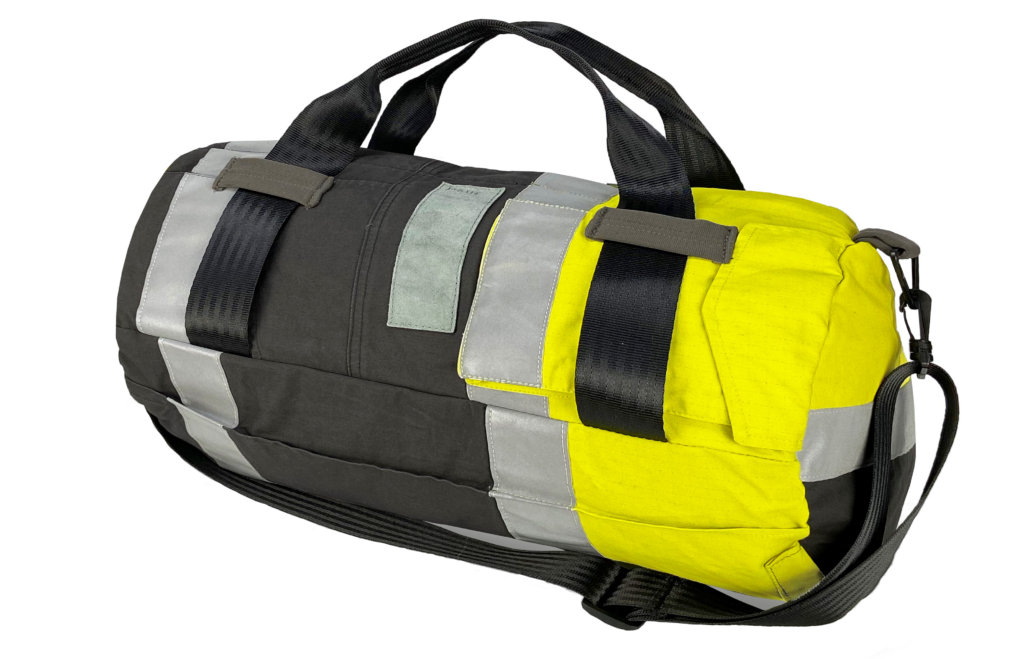
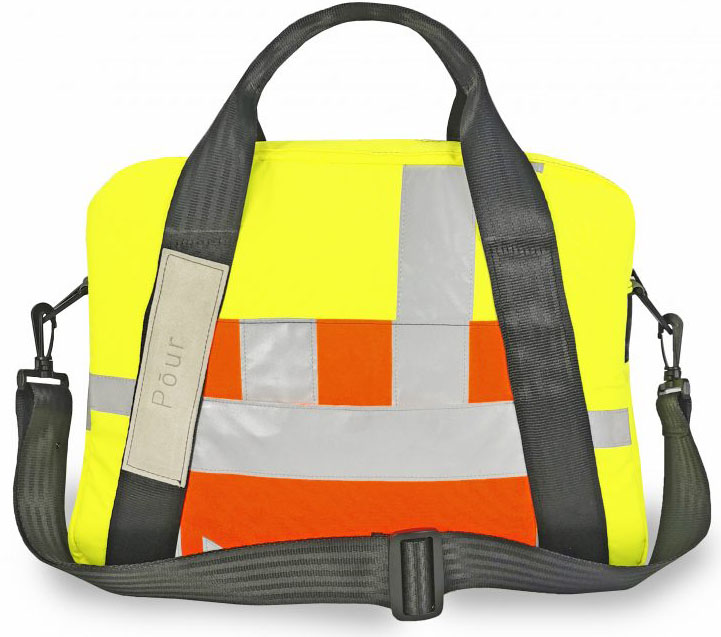
What becomes clear from examples like Pōur is that circular design is less about adding sustainability features and more about reframing the starting point. Instead of asking how a product can be recycled later, the question becomes how materials can remain valuable across multiple cycles. Or, as we often put it: design should already anticipate the next use.
That shift carries an important lesson. Circularity is not achieved by optimising the end of the use cycle, but by making deliberate choices at the beginning. When design starts from available materials, builds in pathways for return, and keeps future use in mind, the rest of the system can follow.
During Circular Economy Week, it is tempting to look for breakthrough technologies or large-scale solutions. But the transition is just as much about smaller, tangible examples that demonstrate what is already possible today. They show that circularity is not an abstract ambition—it is a design choice.