


In a circular economy, waste is not an inevitable outcome—it is a sign of missed opportunity. At Cirmar, we believe materials are stored throughout our society: in products, installations, interiors and buildings. When these assets reach the end of their current use, they do not become waste. They become resources waiting to be harvested and returned to the economy at their highest possible value.
This mindset forms the foundation of our work in the “From Waste to Resource” transition. Together with our long-standing partner Agricon Nederland, we guide companies through the process of identifying, collecting and reintroducing valuable materials from existing products and built environments. For us, this is one of the most obvious—and yet often overlooked—quick wins within circular strategies.
To us, the category “waste” is a misconception. More often than not, so-called waste streams contain materials with significant economic and environmental value. The problem is not the material—it is the absence of a system designed to recognise and retrieve that value.
Whether it involves dismantling retail interiors, upgrading installations, renovating buildings or replacing machinery, materials remain embedded in these assets long after their initial purpose changes. With the right approach, they can be harvested, processed and reintroduced into new applications with far less impact than using virgin resources.
This shift from waste management to resource management is one of the most powerful steps a company can take toward circularity.
Agricon Nederland plays a central role in many of the projects we run that involve dismantling or transitioning existing assets. Their expertise in identifying, organising and guiding material flows allows us to turn theoretical potential into practical outcomes. Together, we ensure that what would traditionally be dismantled and discarded is instead categorised, collected and prepared for new use.
This collaboration brings structure and reliability to a process that can otherwise be fragmented. Agricon Nederland supports the operational side—material identification, selective dismantling, quality checking, preparation for transport—while Cirmar integrates the strategic, digital and market-facing components. The result is a seamless transition from asset to resource, ready for reuse, refurbishment or recycling.
Buildings and installations hold enormous resource reservoirs. Structural components, interior panels, fixtures, metals, plastics, composites, and even textiles can retain value long after a building or product is updated or replaced. These embedded materials form part of the circular stock already available within the economy—materials we can “mine” far more responsibly than extracting new resources.
By mapping materials in advance, planning selective deconstruction and documenting the recovered materials, companies can turn renovation or replacement projects into strategic circular opportunities. This not only reduces environmental impact but also often lowers costs, especially when high-value materials can be reused directly or sold into secondary markets.
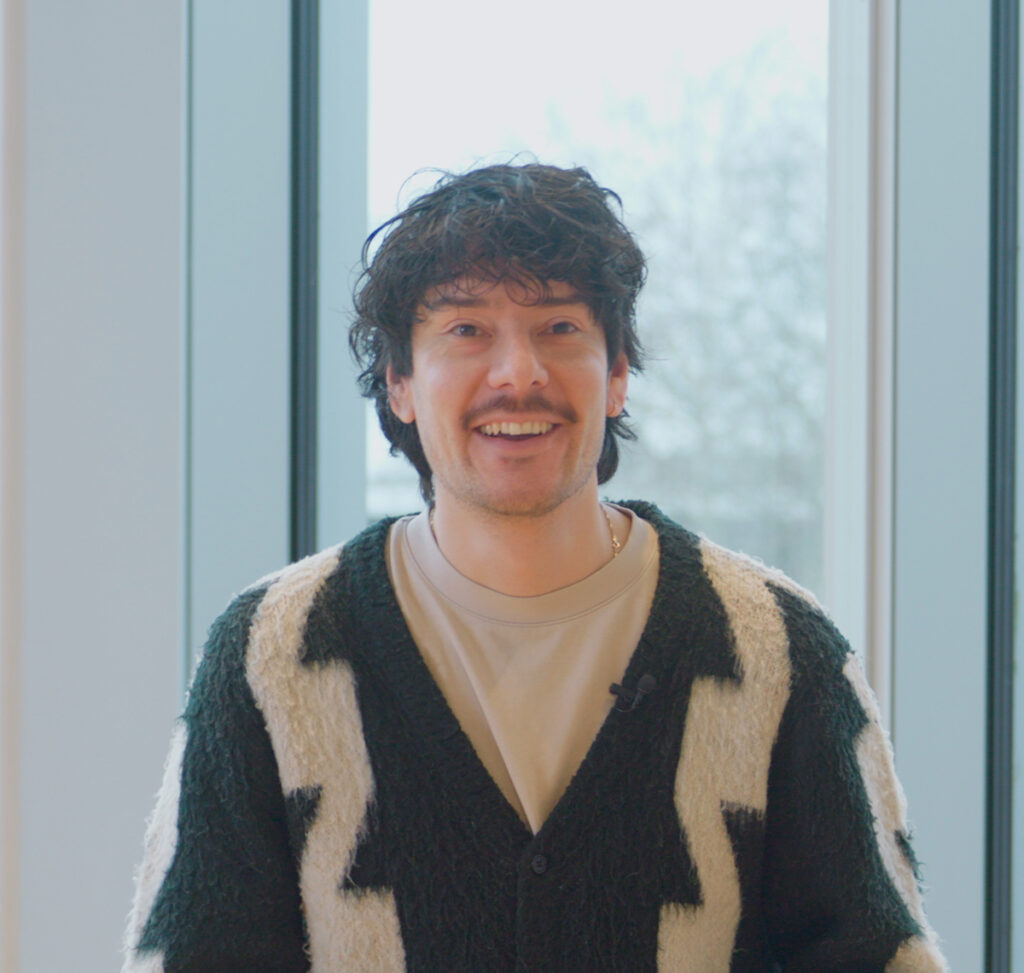
“It’s really quite simple: once you realise waste is merely a concept that can be changed into resources – a world of opportunities is created. We make sure you can seize those opportunities.”
Rens van den Boorn
Knowing what materials exist, in what condition and in what quantities is essential for turning waste into resource. This is where Digital Product Passports (DPPs) and structured material documentation become vital. When products and buildings carry transparent information about their material composition, dismantling and recovery become more efficient, safer and much higher in quality.
Equally important is the information generated during deconstruction—data about material condition, volumes, quality and potential applications. When captured correctly, this information feeds directly into next-use strategies, design decisions and market connections.

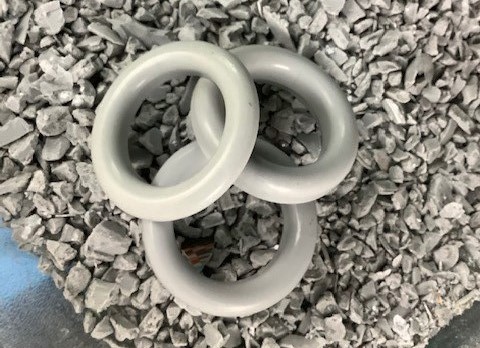

Incineration is the final stop of a linear system. In our experience, there is almost always a better next use, whether direct reuse, refurbishment, component harvesting, mechanical recycling, chemical recycling or repurposing in new applications. The challenge lies in identifying the right route—and ensuring that materials are recovered with the necessary quality.
Cirmar helps companies map these routes and make well-informed decisions. By combining material data, practical dismantling expertise and deep market connections, we guide organisations toward the most valuable and circular outcomes, rather than accepting loss as an inevitability.
Transforming waste into resource does more than benefit the environment. It strengthens supply cycles, reduces material dependency, opens new business opportunities and builds clear, credible sustainability stories. Companies that adopt this approach gain a competitive advantage—not only by reducing waste, but by actively creating value from what used to be overlooked.
Cirmar supports organisations in embedding this mindset into their broader circular strategy. When waste disappears from the vocabulary, real circularity becomes possible.
Our experts in waste to resource processes are ready to transform your business.
Find out more about our circular transformations by diving into our circular stories