


One of the most exciting aspects of circularity is the potential to transform used materials into new, valuable applications. Not every product can return to its original purpose, and not every material follows a single, predictable path. Circularity requires a cascade of uses—each one maintaining the highest possible value for as long as possible. Helping companies identify and design these next-use opportunities is a core part of what we do.
At Cirmar, we work with organisations to understand their material flows, assess the quality and potential of recovered materials and envision what new products they can become. This involves collaborating closely with designers, engineers, knowledge institutes and producers across industries. By bringing these worlds together, we open the door to applications that are not only feasible but genuinely valuable—environmentally, commercially and creatively.
Materials rarely lose all value after their first use cycle. Plastics, textiles, metals, biogenic materials, minerals, composites and even complex product components often retain properties that can be used again in new forms. The challenge is understanding what is possible, and which next uses make sense technically, economically and strategically. In a closed loop – or in connected loops.
Our approach begins with the material itself: What condition is it in? What performance characteristics remain? What treatments or processing steps are required? From there, we explore how these materials can be used in different applications—sometimes within the same sector, but often in entirely new ones. This exploration is essential in unlocking the hidden potential that companies often didn’t realise they had.
Circularity is not a linear path; it is a cascade. Ideally, materials are reused for the same purpose, but in practice that is only one part of the picture. Many used materials are better suited for alternative applications that still preserve high value. A textile that can no longer serve as a garment may work perfectly as an interior material. A plastic component that cannot be reused in machinery may be ideal for furniture, construction elements or consumer products.
We guide companies through this reasoning. Instead of defaulting to downcycling, we explore the full spectrum of possibilities, always aiming for the highest-value use that remains technologically and commercially viable. This mindset allows companies to strengthen their circular strategies with real, lasting impact.
One of Cirmar’s strengths is our ability to bridge supply and creation. We work closely with designers, product developers, and manufacturers who specialise in working with recovered materials. This network allows us to validate ideas quickly, assess feasibility early and accelerate the transition from concept to real product.
These collaborations often spark innovative solutions—new product categories, modular components, hybrid materials or surprising matches between material properties and design opportunities. By connecting companies with the right creative and technical partners, we turn vision into tangible circular products.
The key to successful next-use strategies is ensuring that material value is not just maintained, but enhanced. We help companies evaluate where their materials can perform best, how they can stand out in a market increasingly focused on circularity and how new applications can align with brand identity, customer expectations and long-term circular ambitions.
This results in new products that are not merely “upcycled,” but thoughtfully designed, technically sound and positioned to succeed economically. In many cases, these new applications unlock entirely new revenue streams, strengthen sustainability credentials and reinforce a company’s role in the circular economy.
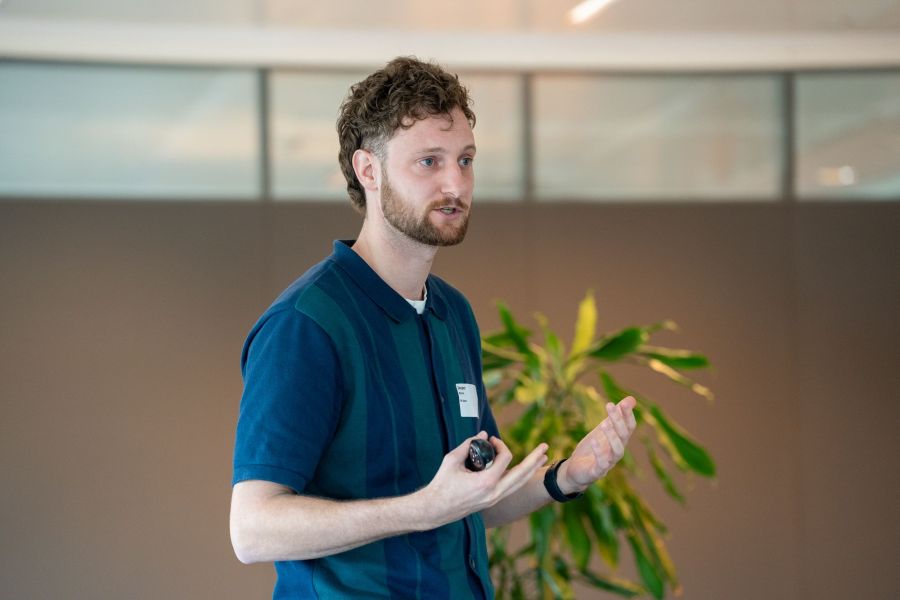
“Closing the loop is part of a solid circular strategy. That means we help companies find new applications for recovered materials. That can be in the same product, or a different destination – as long as we recover quality and value of materials.”
Jasper Martin
Understanding and documenting material properties is essential in finding suitable next uses. C_passport® supports this effort by making detailed information accessible throughout the value cycle. When designers and manufacturers know the materials they are working with—composition, origin, treatments, impact profile—they can make informed decisions that lead to higher-value applications.
Likewise, data generated from new applications can be fed back into future product development, ensuring a smarter, more connected circular system.
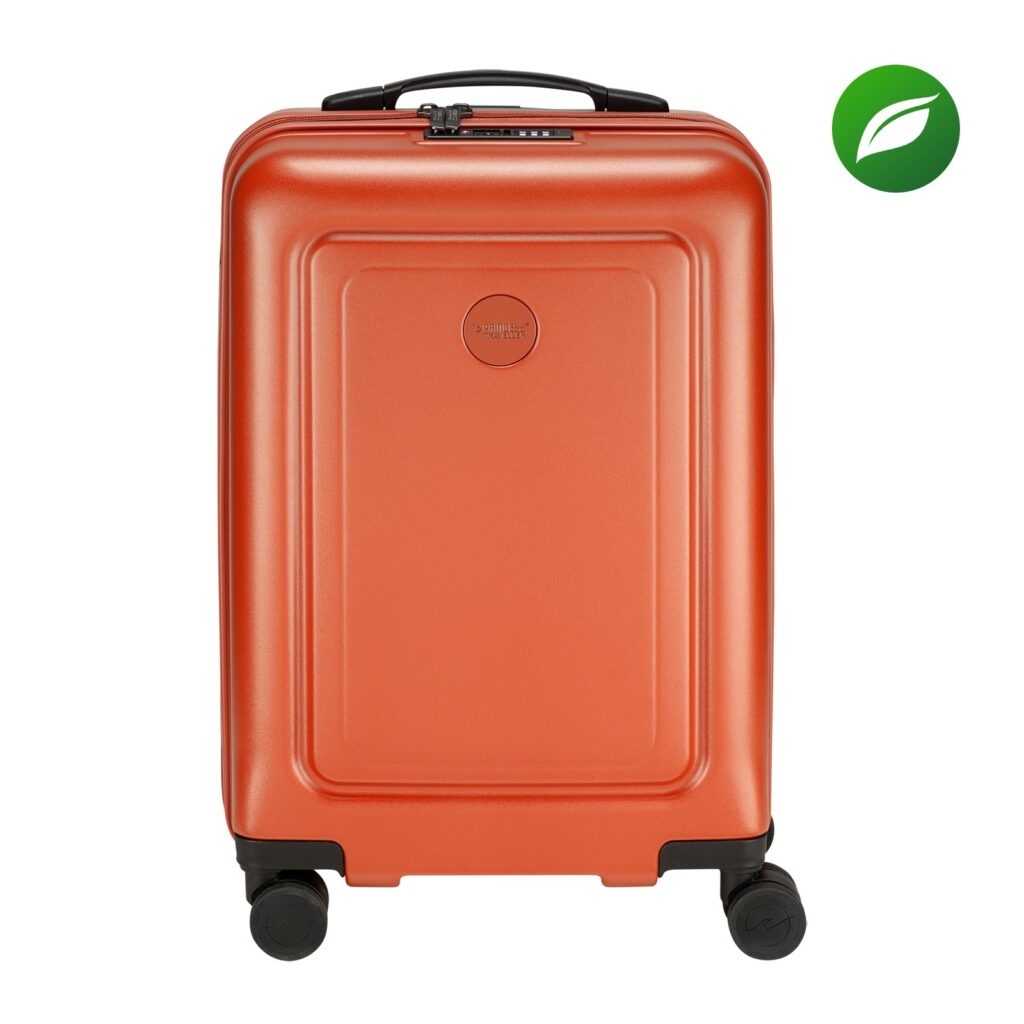
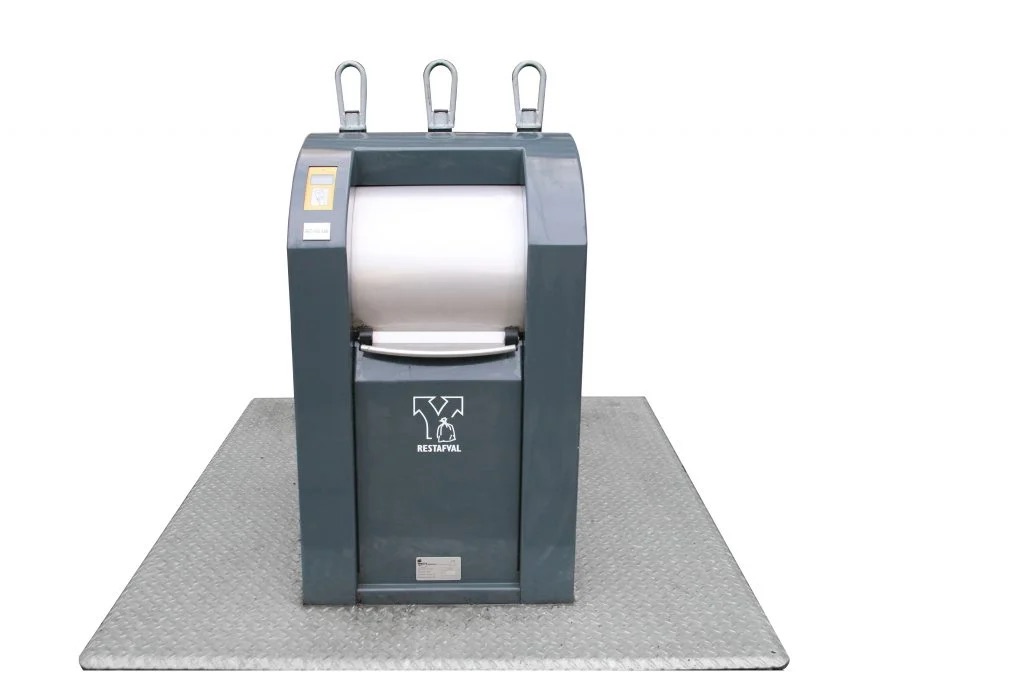
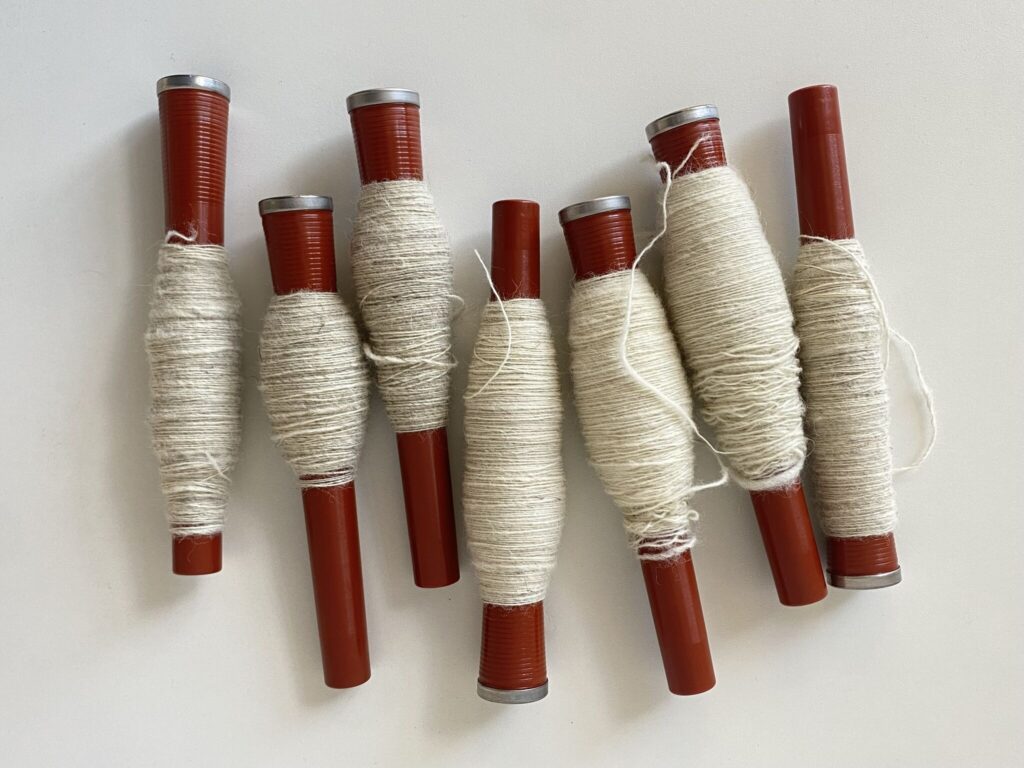
Every organisation with returned materials or waste streams has untapped potential. With the right insight, partners and creative approach, those materials can be transformed into products that are functional, desirable and economically meaningful.
Cirmar helps companies uncover this potential and turn it into a practical part of their circular strategy. By combining material knowledge, design collaboration and strategic guidance, we guide organisations through the process of discovering and realising the highest-value new applications for their used materials.
Our experts in circular products are ready to transform your business.
Find out more about our circular transformations by diving into our circular stories