


The Personal Protection Equipment (PPE) industry plays a vital role in protecting workers, patients and professionals across countless sectors. At the same time, it is an industry with complex supply cycles, strict regulatory requirements and significant material flows—many of which currently follow a linear path from production to disposal. With pressures mounting around sustainability, transparency and cost efficiency, the PPE sector is beginning to rethink how protective equipment is designed, produced and managed throughout its use.
Cirmar works extensively in PPE, supporting manufacturers, distributors, reverse logistics companies and recyclers. This gives us a deep understanding of the operational realities as well as the regulatory and performance standards that must be met. More importantly, it allows us to help companies introduce circularity without compromising safety, compliance or product performance.
The demand for PPE continues to grow, but so do the challenges. From healthcare to construction, industries are looking closely at the volume of protective equipment used, the waste generated and the transparency of materials and supply cycles. Regulators and large buyers are beginning to require clearer documentation about material composition, product lifespan, environmental performance and end-of-use options.
For many PPE companies, the challenge is navigating this changing landscape while maintaining high safety standards and reliable supply cycles. Circularity is emerging as a strategic answer—not to replace compliance, but to enhance it with better materials, smarter design and more responsible product management.
In PPE, performance and protection are non-negotiable. That’s why circular solutions must be precise, validated and based on real product data. Cirmar helps companies explore and implement circular strategies that are compatible with the strict requirements of PPE. These strategies range from improving material traceability and enabling high-quality reverse logistics and recycling, to designing reusable systems where appropriate, or optimising product and packaging choices for reduced environmental impact.
Importantly, we understand that circularity must be integrated into existing quality and safety frameworks. This means working closely with product developers, compliance teams and supply cycle partners to ensure that every improvement supports both protection and performance.
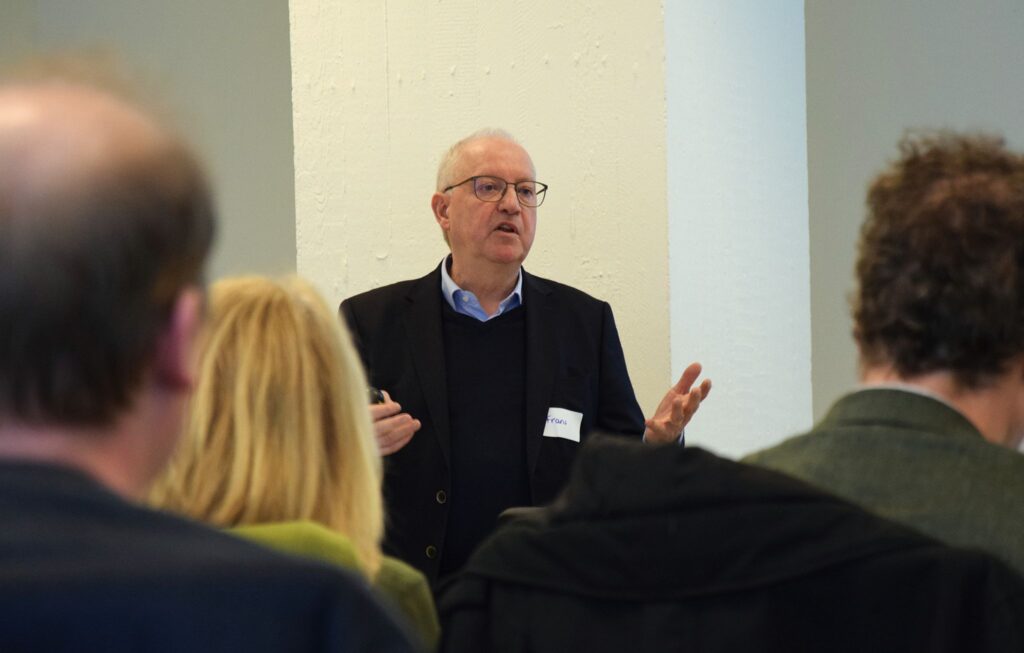
“We have deep roots in the PPE sector, which has always been suited to the transition to circular. With large volumes of products, strong connection in the supply chain and high-quality materials, we can transform to more sustainable practices.”
Frans Beckers
As the EU prepares for Digital Product Passports (DPPs) under the Ecodesign for Sustainable Products Regulation (ESPR), PPE is moving into scope through its reliance on textiles, plastics, composites and metals—all material categories that will require greater transparency. For PPE manufacturers and distributors, DPPs offer a structured way to document materials, product properties, environmental footprint and circular options.
Cirmar helps companies in this sector build and maintain this data efficiently. With a clear digital structure, organisations can provide the information regulators require, support customers who need verifiable sustainability data and make better decisions about product design and end-of-use management. Passports become a tool for trust in a safety-critical industry.
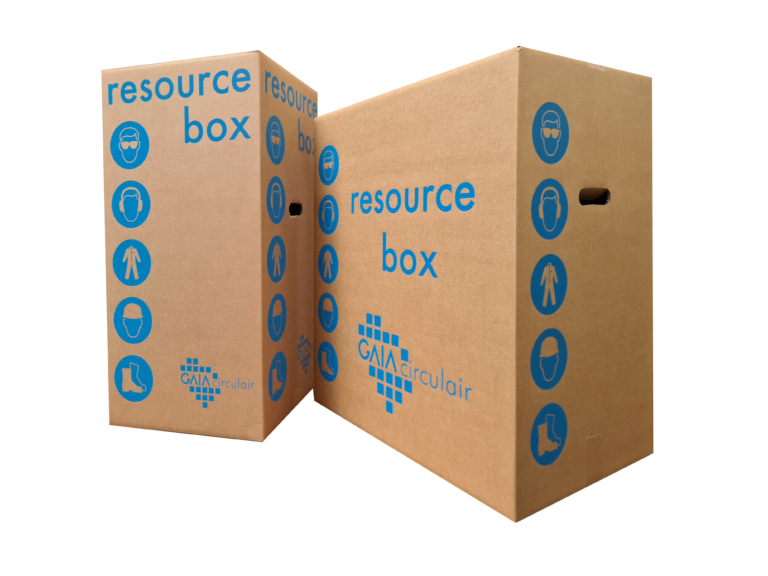

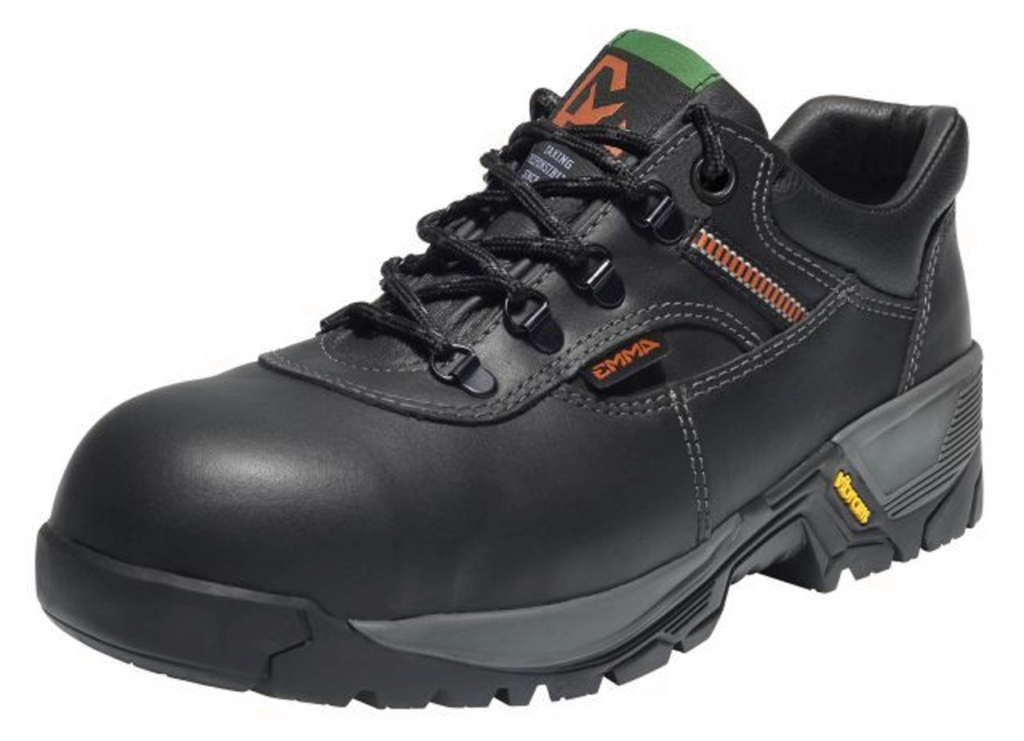
Cirmar supports companies throughout the value cycle by providing a consistent approach to circularity that works from raw materials to end users.
Manufacturers can improve material selection, product documentation and design. Distributors can manage large assortments with better visibility of circular performance. Industrial users can benefit from clear impact data and more responsible waste and procurement practices. We support reverse logistics providers, remanufacturing and recycling companies in making sure circularity can be secured in practice.
What sets the PPE industry apart is its combination of high standards, high volumes and high responsibility. Circularity in this context is not just about reducing waste—it is about building a more resilient and transparent sector. Companies that take steps now will be better prepared for regulatory changes, supply cycle disruptions and growing customer expectations.
Cirmar supports organisations with a mix of strategic insight and practical tools, ensuring that circularity becomes both achievable and beneficial. With clear data, structured processes and realistic implementation plans, PPE companies can move confidently toward a future where protection and sustainability reinforce one another.
Our experts in circular PPE are ready to transform your business.
Find out more about our circular transformations by diving into our circular stories