


Recycling is often seen as the end of the circular cycle, but in reality, it is one of the essential foundations that keeps materials in circulation. No matter how well products are designed for longevity, reuse or refurbishment, there will always be materials and components that eventually need to be recovered and transformed into new resources. When done well, recycling maintains material quality, reduces dependency on virgin resources and provides industries with a stable feedstock supply of sustainable inputs.
At Cirmar, we bring practical, sector-specific experience in both mechanical and chemical recycling, working closely with recyclers, collection schemes, logistics partners and producers of recycled materials. Our network includes organisations such as Agricon Nederland, as well as a broad range of material processors who handle plastics, textiles, polymers, metals and composites. This allows us to support companies not only in understanding recycling routes, but in connecting to the right partners and building systems that genuinely retain value.
Recycling alone cannot create a circular economy, but without it, circularity cannot function. It is the route through which materials that can no longer be used, repaired or refurbished are transformed into new feedstock. Recycling ensures that the materials locked inside products do not become waste, but are given a new use cycle—sometimes multiple times.
While design for circularity reduces the need for recycling and facilitates high quality recycling, there are still many products on the market today that were never created with circularity in mind. For these products, recycling provides the only realistic pathway to recover value and prevent materials from being lost. It acts as the safety net that keeps the system from reverting to linearity. At Cirmar, we call this ‘passive recycling’: making the best of it afterwards. One can understand our goal is ‘active recycling’: already knowing how to recycle in the design stage of a product.
Our experience spans both mechanical and chemical recycling processes. Mechanical recycling remains the backbone of many material loops, offering efficient and cost-effective ways to recover plastics, textiles and other materials when sorting and purity allow it. Chemical recycling, meanwhile, has become an important technology for dealing with complex, contaminated or multi-layered materials that cannot be mechanically processed at sufficient quality. Cirmar is connected to both dedicated chemical recycling, for only one or a limited set of materials, as well as more generic chemical recycling of -pretreated- mixed fractions.
Both technologies serve different needs—and understanding where each is most effective is crucial for designing circular products and realistic strategies. We help companies assess their material flows, identify which recycling routes apply, and collaborate with partners who can manage these materials responsibly and at scale.
Recycling requires collaboration across sectors and stages: collection, sorting, processing, chemical treatment, regranulation, compounding and reintegration into new products. Over the years, we have built a strong network of partners throughout this cycle. This includes waste handlers, product take-back systems, mechanical recyclers, chemical recyclers and producers of secondary raw materials who supply high-quality recycled content back into manufacturing.
By working across these partners, we help companies navigate a fragmented landscape and build recycling pathways that are robust, transparent and aligned with the realities of their industry. Our collaboration with organisations like Agricon Nederland gives us a direct view of how large-scale recycling systems operate and how companies can integrate into them efficiently.
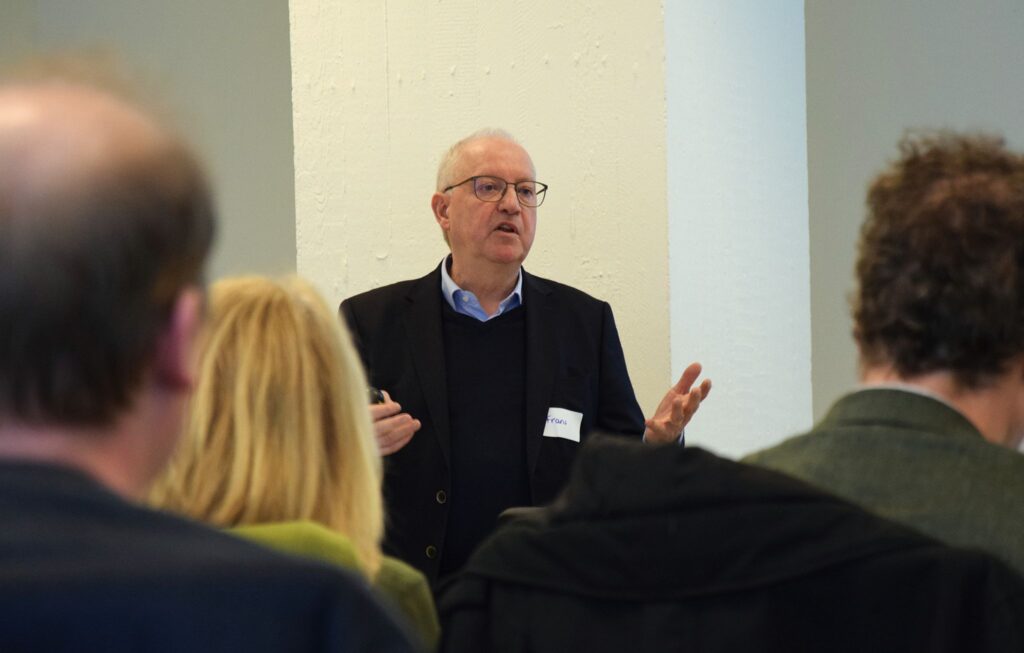
“A circular approach requires a network approach, based on trust, shared values and the willingness and ability to cooperate. We build that network and enable recycling.”
Frans Beckers
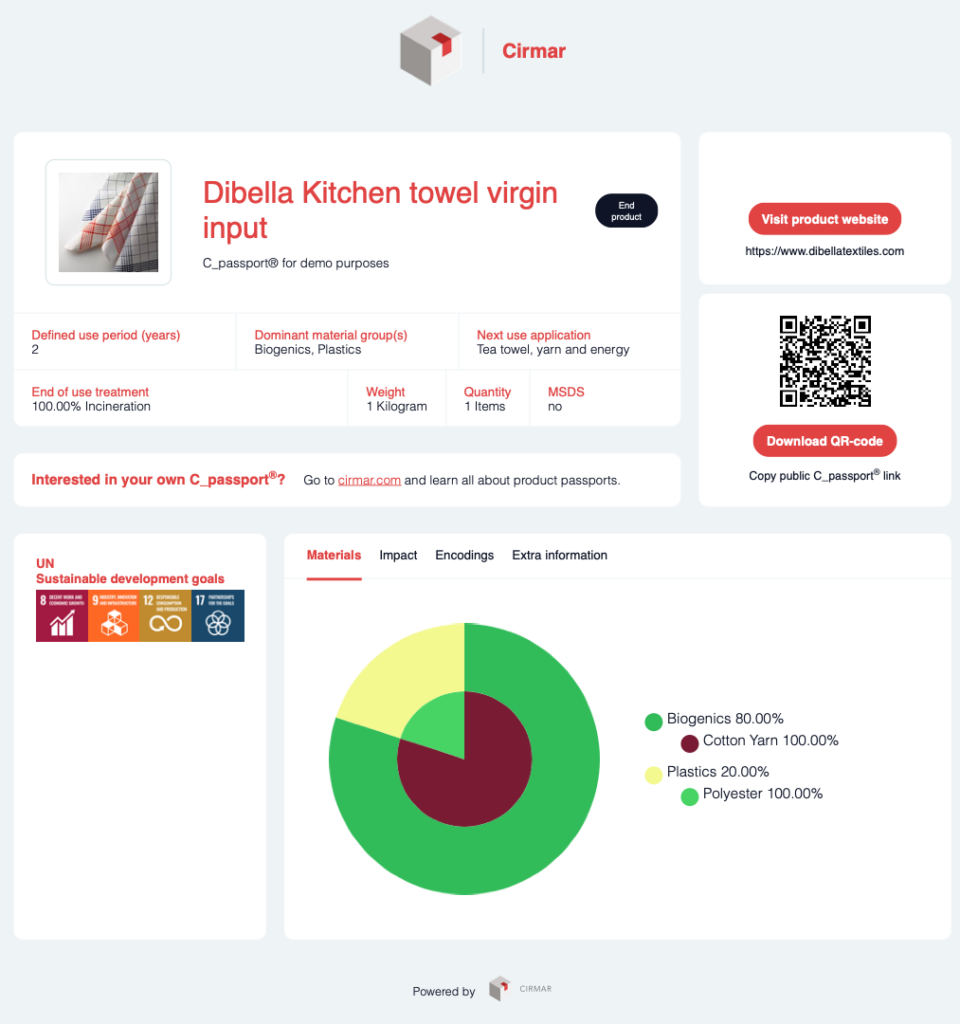
One of the greatest challenges in recycling is the lack of information. When products arrive at recycling facilities without clear documentation, identifying their composition becomes difficult and valuable materials are easily downgraded—or lost altogether. This is where Digital Product Passports (DPPs) play a decisive role.
By providing recyclers with accurate information about materials, additives, coatings, and potential hazards, DPPs make it possible to recycle products at a higher quality and with fewer errors. Equally important is the information added back into the cycle: recyclers generate valuable data about material purity, quality and processing outcomes that can be fed back into the product use cycle, supporting better design and more transparent supply cycles.
Recycling becomes significantly more effective when supported by rich, reliable product information. Cirmar facilitates the increase of the information value of recuperated materials.
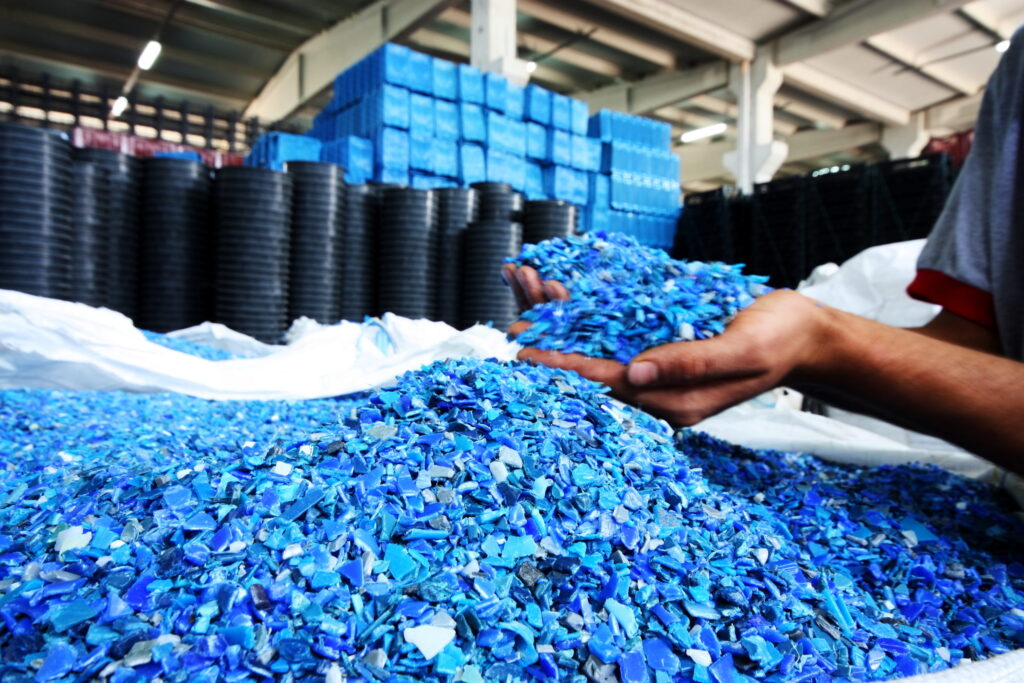
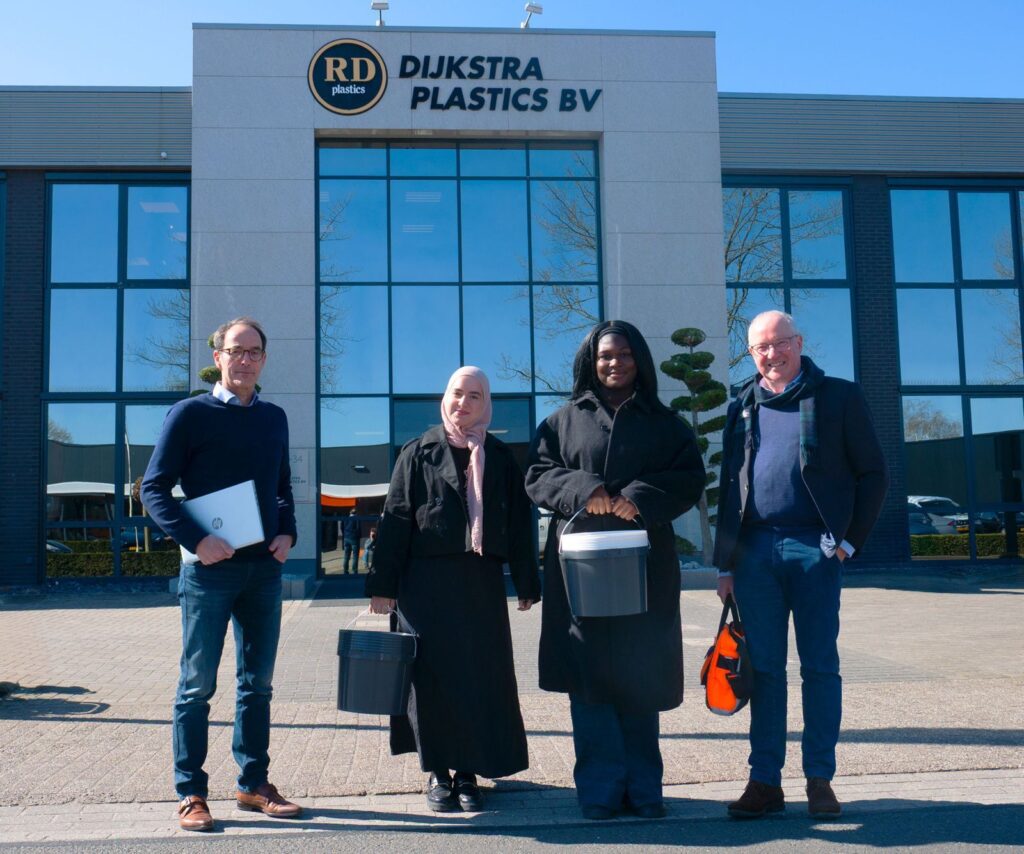
Many companies view recycling as something external—something that happens after their products have left their responsibility. In circular business models, this mindset shifts. Recycling becomes a deliberate, strategic element that influences product development, material choices and end-of-use systems.
Cirmar helps organisations integrate recycling into their broader circular strategies, ensuring that materials have a viable path back into the loop, whether through mechanical or chemical processes. With the right partners, the right information and the right design decisions, recycling transforms from a compliance topic into a value generator.
Our experts in recycling are ready to transform your business.
Find out more about our circular transformations by diving into our circular stories