


Circularity does not begin with recycling, nor does it end with design. The true backbone of any circular system is reverse logistics—the ability to get products, components and materials back, in the right condition, with the right information, and at the right time. Without organised, transparent and reliable return flows, even the most circular products become linear in practice.
At Cirmar, we have long recognised that reverse logistics is not a supporting function; it is the infrastructure of circular business models. Over the years, we have helped companies establish their own return systems or connect to existing schemes. This work has not only shaped our expertise, but has also led to our creation of COFA, now operating independently as GAIA Circulair, an organisation that is expanding its reverse logistics services across Europe. We continue to collaborate closely, integrating GAIA’s operational capabilities with our circular strategies and digital tools.
Circular products only remain circular if they come back. Whether a company produces textiles, construction materials, furnishings, electronics or PPE, the principle is the same: return flows must be designed as intentionally as the products themselves.
Without structured reverse logistics, materials can’t be reused at high value, components can’t be refurbished, and recycling becomes low-grade downcycling at best. The result is a system that looks circular on paper but behaves linearly in reality.
Reverse logistics provides the missing link that closes the loop. It ensures that products are collected with context, handled correctly, and re-enter the market in a way that retains as much value as possible.
Cirmar helps companies understand what reverse logistics means in their specific sector, and how they can build or participate in systems that match their operational reality. Sometimes the optimal route is to design a custom return model based on the company’s own distribution and service patterns. In other cases, it is far more efficient to join an existing collective infrastructure.
Over time, we have learned that successful reverse logistics relies on three things: clear processes, reliable partners and high-quality data. We support organisations in aligning these elements so that products flow back smoothly, materials retain their value and operational teams are not burdened by unnecessary complexity.
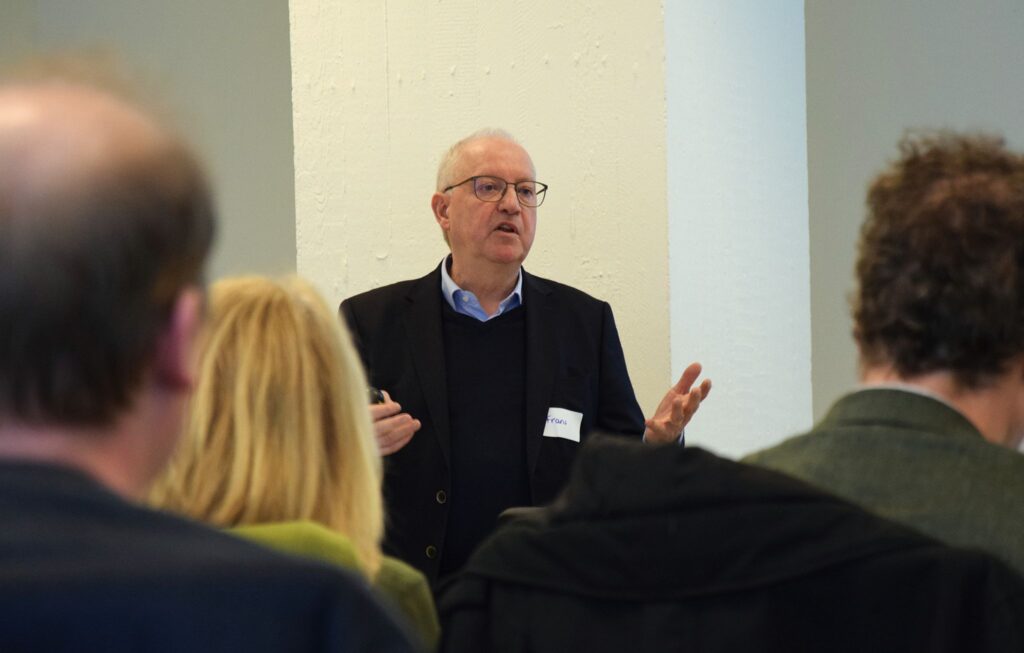
“Bringing products back is one of the buttons to push if we want to transition to more circular practices. We help set up reverse logistics systems, or connect with existing schemes.”
Frans Beckers
Reverse logistics does not function without information. Operators need to know what they are collecting, what it is made of, how it should be handled and what recovery pathways are possible. This is exactly where Digital Product Passports (DPPs) become essential.
With DPPs, logistics companies gain immediate access to material composition, dismantling guidelines, safety instructions and the circular options available for a product. Equally important is the flow of information back into the system. As collected materials are sorted, assessed and prepared for reuse or recycling, new data must be added so that the next user—or the manufacturer—understands their condition and value.
This two-way exchange transforms reverse logistics into a connected, indispensable, intelligent part of the circular value cycle, rather than a disconnected afterthought.
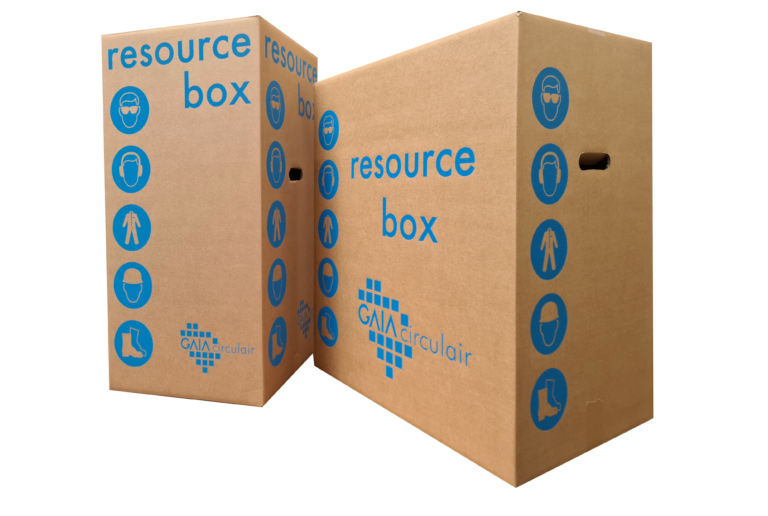
The journey from returned product to market-ready material is complex, but it becomes manageable when built on a clear digital foundation. Cirmar supports companies in defining the processes that guide products through assessment, sorting, repair, refurbishment or recycling. Our platform provides the structure needed to document each step, ensuring that materials re-enter the market with information that supports quality, safety and circular performance.
By combining structured data with operational processes—whether through your organisation, GAIA Circulair or another logistics partner—we help create a reverse logistics system that preserves value instead of destroying it.
In many industries, reverse logistics is still treated as a cost or a compliance requirement. In reality, it is a value generator. Companies that organise reverse flows effectively unlock new revenue streams, reduce dependency on virgin resources, improve impact performance and build resilience into their supply cycles.
Cirmar works with companies to embed reverse logistics into their circular strategies, ensuring that products and materials do not simply leave the system but consistently return with value and verified data. With the right infrastructure and information in place, reverse logistics becomes a driver of both economic and environmental performance.
Our experts in reverse logistics are ready to transform your business.
Find out more about our circular transformations by diving into our circular stories