


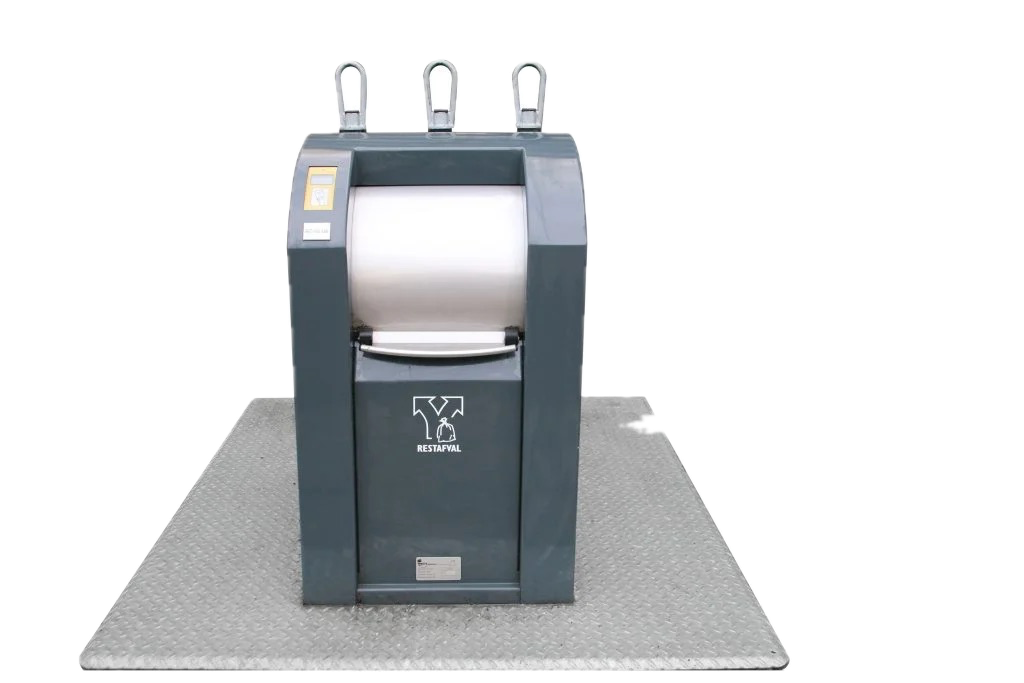
TTC Netherlands proves that circularity is not just a vision for the future, but also a practice that we can already apply today. By renovating and re-marketing underground waste collection systems, they offer municipalities and waste processors a high-quality, cheaper alternative to purchasing new equipment. Their approach ensures that valuable materials are retained, costs are saved and the environmental impact of producing new systems is avoided. To capture and demonstrate these circular benefits, TTC Netherlands works with digital product passports (DPPs) – C_passport® from Cirmar.
TTC Netherlands proves that circularity is not just a vision for the future, but a reality. A waste collection system is a complex product consisting of steel, electronics, plastics and a range of mechanical parts. When such a system reaches the end of its first life cycle, it often still contains many valuable materials. TTC Netherlands is a company that is able to recover that value. Through careful inspection, disassembly and reconstruction, TTC Netherlands selectively reuses parts that are still in excellent condition. Worn or obsolete parts are repaired or replaced and modernised where necessary. In this way, TTC ensures that every reconditioned system meets current safety and operational requirements. The refurbished container is then prepared for a new phase of use – often performing just as well as a new system, but with a significantly smaller ecological footprint. For every system that is refurbished instead of newly manufactured, significant quantities of steel, plastic and technical components remain in circulation instead of being discarded.
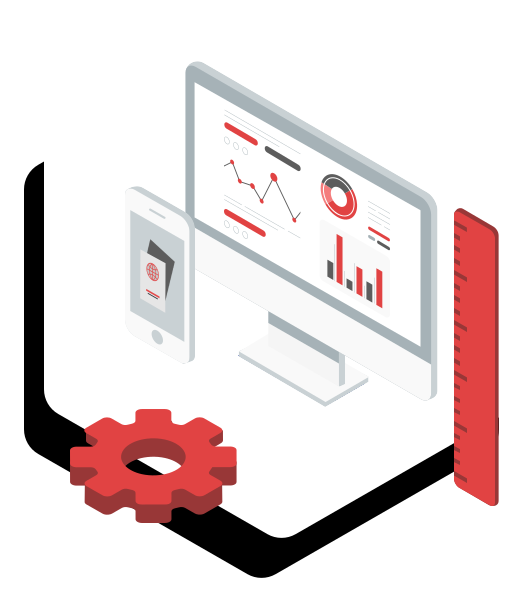
For municipalities and waste processors, sustainability is not only a goal, but it must also be measurable. That is why TTC Nederland uses C_dashboard® to compare reconditioned systems with new alternatives on the market. By analysing the material composition, avoided production emissions and reduced energy requirements, C_dashboard® clearly visualises the environmental benefits of reconditioning. Key indicators such as CO₂ emissions, energy consumption, water consumption and material savings help customers make informed and responsible purchasing decisions.
For TTC Netherlands, renovating collection systems is a matter of course. However, it helps to be able to quantify the positive impact of renovation and reuse. It must be financially attractive, but customers such as Twente Milieu are also interested in the environmental impact. And thanks to our collaboration, TTC Netherlands can do just that.
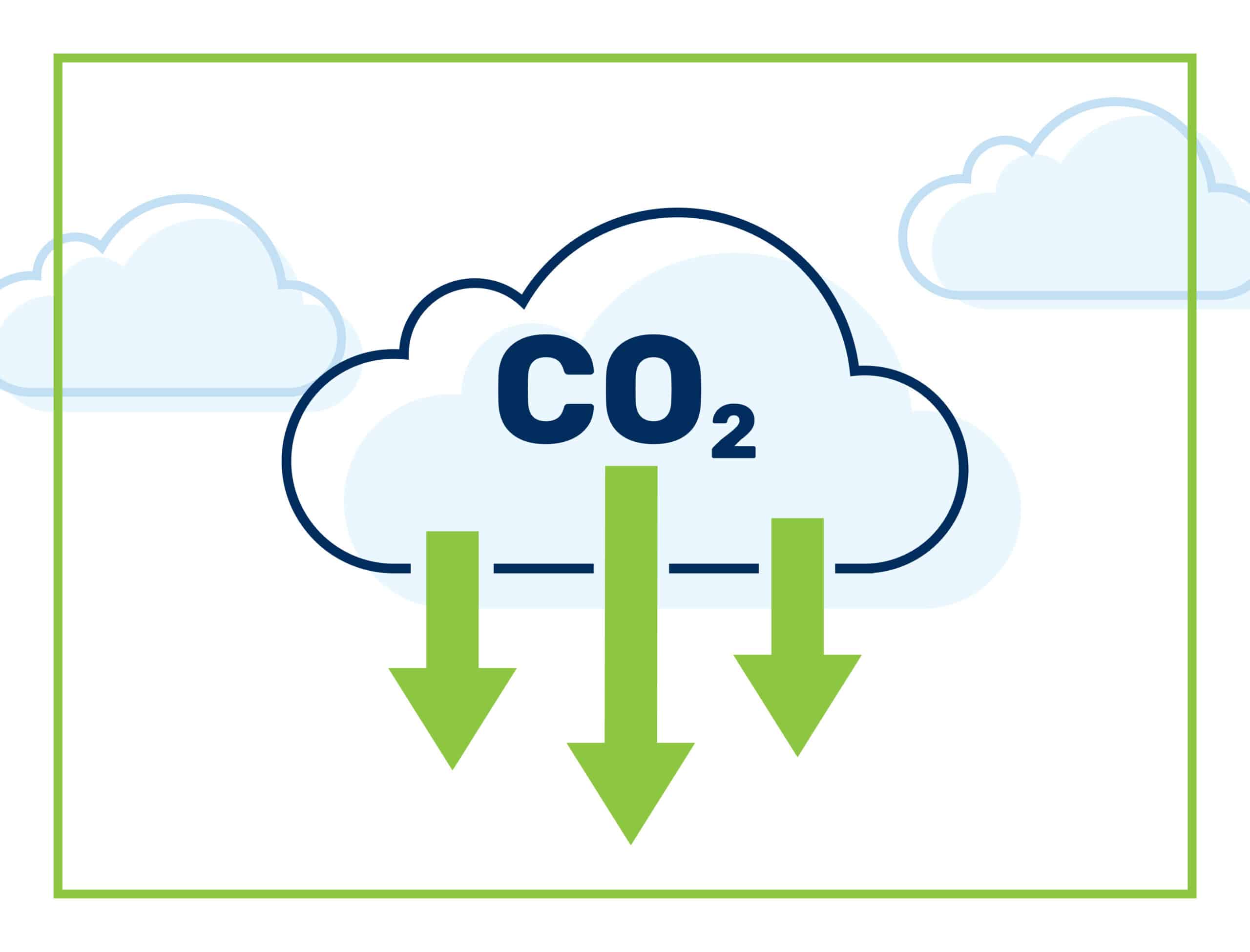
The digital product passports used by TTC Netherlands generate automated impact calculations that provide insight into the benefits of refurbishment. In this specific case, they have already refurbished eight containers. This means that Twente Milieu does not need to purchase new containers, and TTC displays this positive effect in C_dashboard®. The environmental benefits are enormous, as it involves 17.71 tonnes of CO2 emissions, almost 1,700 m3 of water and around 50,000 kWh of energy impact.
Digital product passports are an essential tool in the transition to a circular waste management infrastructure. With C_passport®, TTC Netherlands records the material composition, renovation activities and end-of-use solutions for every system it supplies.
Based on TTC Netherlands’ detailed material list and revision data, each C_passport® automatically generates impact insights linked to Cirmar’s material database. TTC Netherlands can also add instructions and guidelines to support future reuse, repair or recycling, so that circularity does not end after one additional use cycle.



“Honestly? We simply can’t throw things out. We’re hoarders with a business plan – for valuable resources.”