


Reaching net zero is no longer optional—it is a strategic imperative driven by regulation, market expectations, and global climate commitments. The challenge for most organisations isn’t the ambition but the pathway: how do you reduce emissions meaningfully, quickly, and without compromising business performance? We advise companies to do what has the biggest effect: focus on energy and materials. Avoiding emissions follows from transitioning to circular practices and retaining materials.
Traditional net-zero plans often lean heavily on offsets or incremental efficiency measures. But these approaches alone are not enough to meet the scale and speed of change required. Materials extraction, manufacturing, and end-of-use processes account for the majority of global emissions. This means that truly impactful decarbonisation starts with rethinking how products are designed, used, and recovered.
Circular business models—rethink, reuse, remanufacturing, recycling—offer one of the most effective ways to avoid emissions at the source and permanently reduce a company’s carbon footprint.
Cirmar supports organisations in transitioning to more circular practices, effectively realising decarbonisation. We help identify where emissions occur, where materials can stay in circulation longer, and where business models can evolve to deliver both economic and environmental gains. Our consulting approach includes:
By shifting from linear to circular, companies reduce resource extraction, limit waste, and avoid emissions that would otherwise be locked into their value cycle.
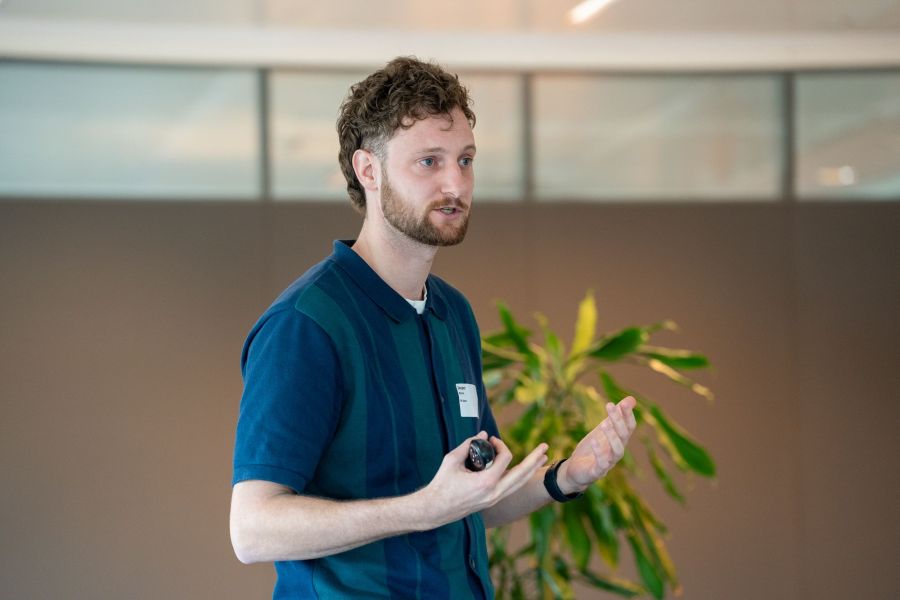
“If your main target is to decarbonize, a solid circular strategy is the fast-track to making that happen. Cut the carbon where it counts: in the materials you use.”
Jasper Martin
To decarbonise effectively, organisations need reliable, product-level data. C_passport® delivers exactly that. By capturing detailed information about materials, components, and product use cycles, DPPs make it possible to:

We don’t just help organisations create net-zero plans—we support the full journey from strategy to implementation. Our team works alongside your organisation to operationalise circular actions, monitor progress, and connect improvements directly to climate targets. The result: reduced emissions, stronger regulatory resilience, and a clear, verified pathway to net zero.
By adopting circular principles, companies contribute to their own climate goals and to global efforts to limit warming in line with European and international agreements. Circularity is not an add-on—it is a core strategy for meaningful decarbonisation.
Our experts in circular strategies are ready to transform your business.
Find out more about our circular transformations by diving into our circular stories.